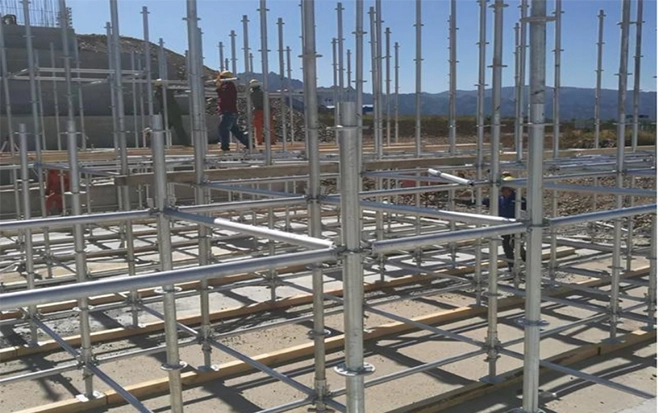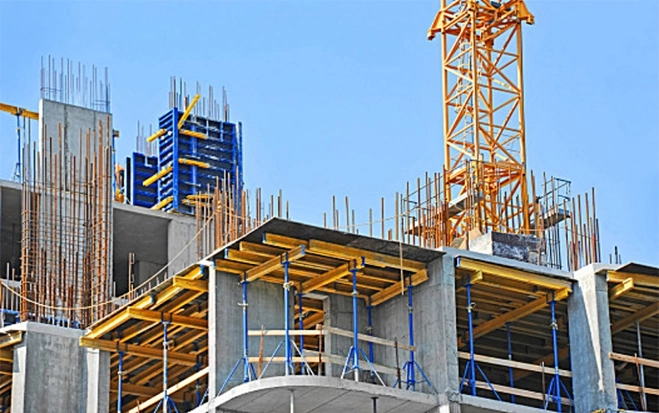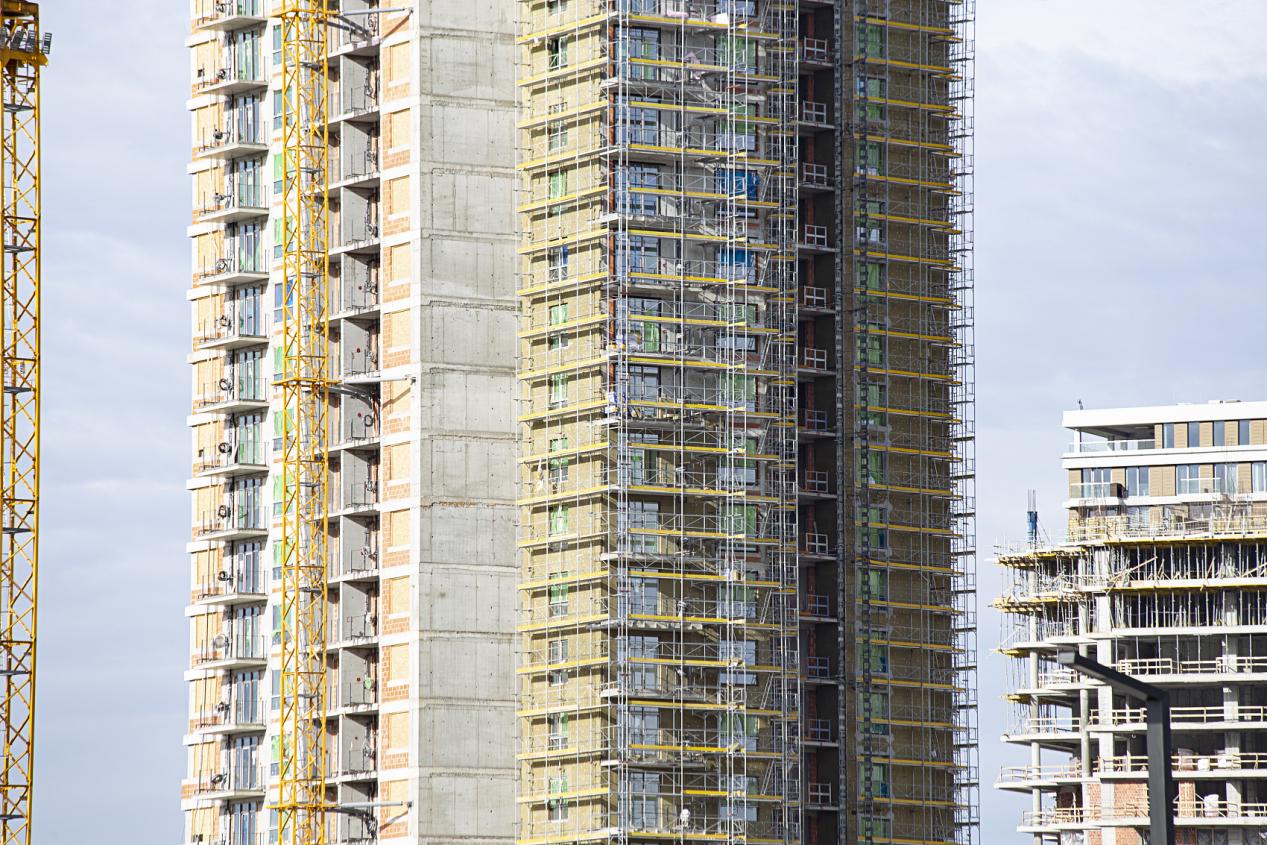
What Is a Scaffolding Frame?
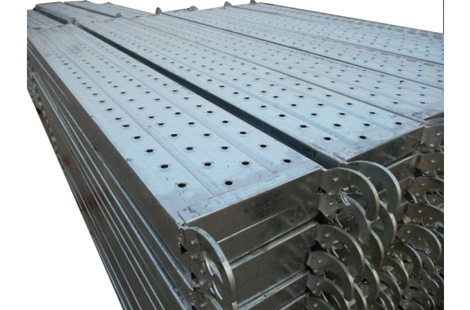
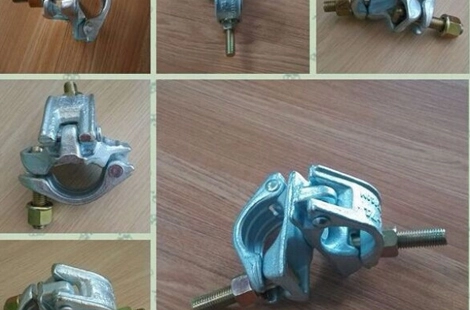
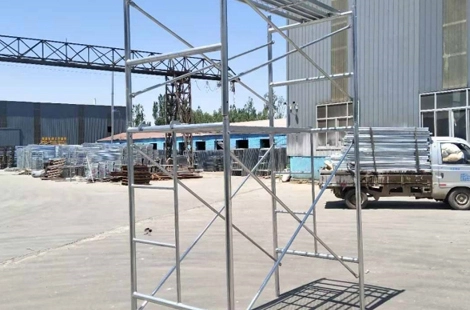
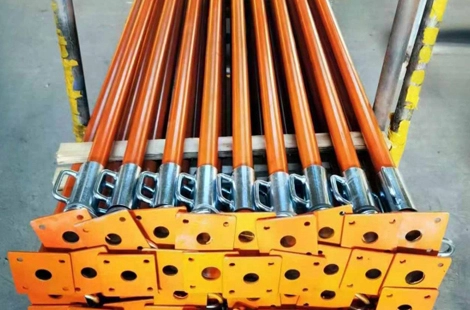
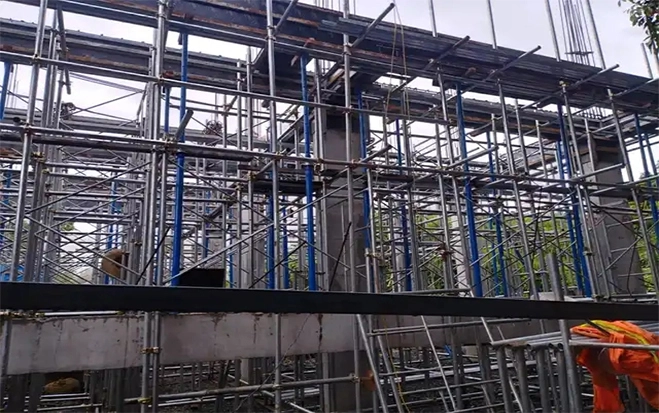
A scaffolding frame is a core component in a frame scaffolding system. It is used to build working platforms and support structures for workers, tools, and materials during construction, maintenance, and repair work. On active jobsites, a reliable scaffolding frame does more than create access at height. It also helps organize workflow, improve stability, and support safer daily operations.
Why Scaffolding Frames Matter on Modern Jobsites
In construction and renovation projects, access equipment directly affects productivity and safety. When workers can move, position tools, and handle materials on a stable platform, tasks become easier to manage and more efficient to execute. This is why frame scaffolding remains a practical choice across a wide range of site conditions, especially where temporary support and repeated access are required.
Common Types of Scaffolding Frames
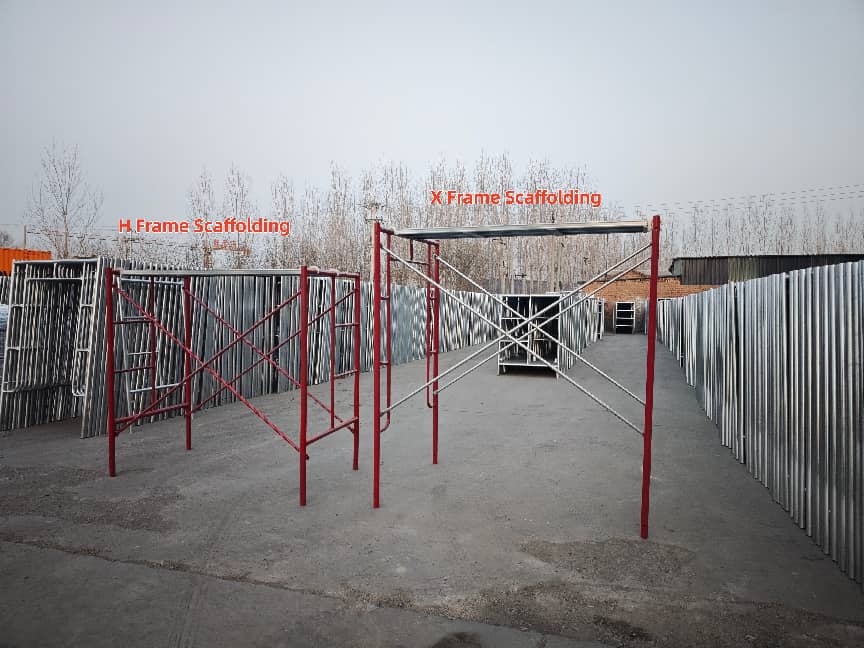
Different projects may require different frame styles. Common options include H Frame Scaffolding, A Frame Scaffold, X Frame Scaffolding, and E Frame Scaffolding. Each type can suit different site layouts, access needs, and working methods. For contractors and buyers, the key is not simply choosing a frame that is available, but choosing one that aligns with the actual structure of the project and the way the team needs to work.
How to Choose the Right Scaffolding Frame
1. Understand the Project Requirement
The first step is to define the nature of the work. Light-duty applications such as painting or small repair tasks may not require the same frame setup as larger construction projects. A practical selection starts with understanding what kind of platform, access, and support the project really needs.
2. Check Load Capacity
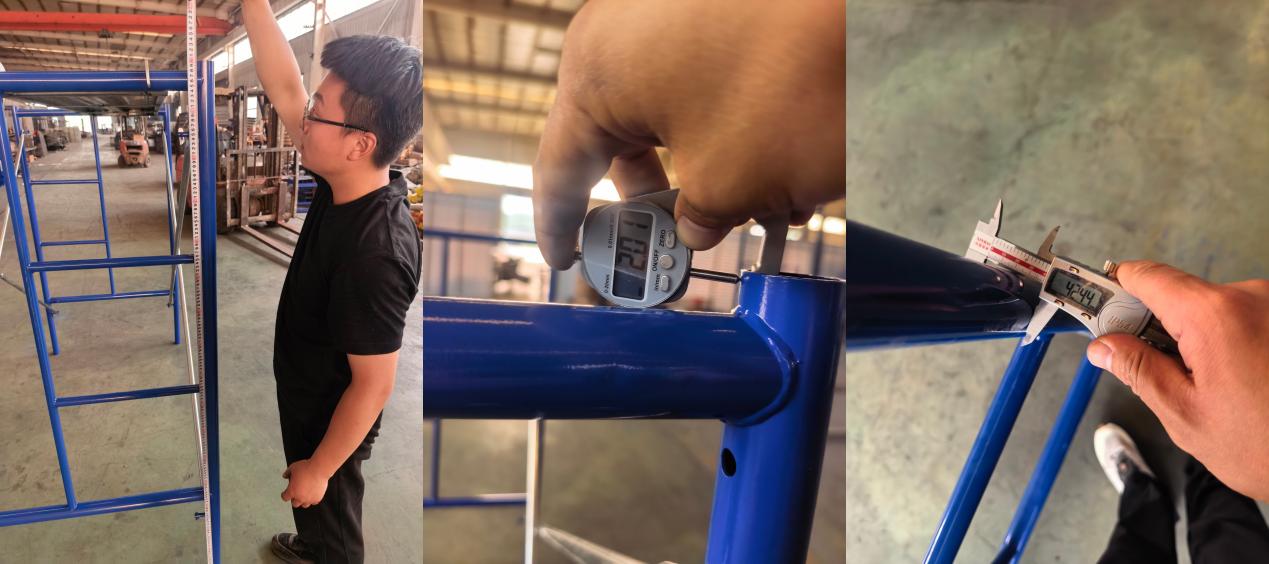
A reliable frame should be manufactured from high-grade steel (such as Q235 or Q345) with appropriate tube thickness (e.g., 2.0mm to 2.5mm) to ensure high load-bearing capacity and meet international safety standards.
3. Match the Working Height
Working height is another major factor. The frame system should match the height requirements of the job, and in some cases adjustability can offer additional flexibility for different tasks. When height is considered early, project planning becomes more efficient and site organization becomes easier.
4. Focus on Quality and Durability
Scaffolding used on jobsites often faces repeated assembly, outdoor exposure, and daily wear. For that reason, quality and durability should be treated as long-term value factors, not just purchasing points. A durable frame system can better withstand demanding site conditions and support continuous use over time.
5. Review Safety Features
Safety should always be part of the buying decision. Features such as guardrails, non-slip platforms, and locking mechanisms can help create a more secure working environment and reduce the likelihood of accidents. For professional contractors, safety design is not an optional extra. It is part of choosing the right system for the job.
The Value of Scaffolding Frames in Renovation Projects
Renovation work often involves complex access conditions. Tasks such as ceiling work, roof repair, façade maintenance, and other high-level operations require a stable platform and dependable support. In these situations, scaffolding frames help improve accessibility and provide a safer working base for day-to-day execution.
Another advantage is flexibility. Existing buildings may present irregular shapes, limited space, or structural constraints that make site organization more challenging. A suitable frame scaffolding system can help teams adapt to those conditions more effectively. At the same time, having tools and materials close to the work platform can reduce unnecessary movement and support better jobsite efficiency.
What Professional Buyers Usually Look For
For buyers, selecting a scaffolding frame is not only about comparing products. It is about choosing a solution that fits the job. In practical terms, that means reviewing frame type, project requirement, expected load, working height, durability, and safety details together rather than in isolation. A better decision is usually made when the system is selected around the real use case, not just a general preference.
Conclusion
A scaffolding frame is a practical and essential solution for construction, maintenance, repair, and renovation work. The right frame system supports access, improves workflow, and contributes to safer, more efficient site operations. Whether a project calls for H frame, A frame, X frame, or E frame scaffolding, the best choice is always the one that matches the real demands of the work environment.
 English
 Español
 português
 العربية