In large-scale industrial construction, civil infrastructure development, and high-load engineering projects, selecting structural materials goes far beyond comparing cost matrices. While individual connections like couplers and locking pins secure framework nodes, the structural tubes themselves form the literal pillars of jobsite safety. For international procurement managers and project engineers, deciding on the proper fabrication method for these foundational elements is a critical design configuration step that directly dictates the load capacities and risk parameters of the entire perimeter layout.
Modern industrial pipelines primarily depend on two distinct structural options: welded pipe and seamless pipe. Each product profile features unique mechanical traits and physical properties derived directly from its factory manufacturing cycle. This structural lineage influences how dynamic forces and heavy environmental weights travel through a high-rise configuration. This comprehensive application analysis explores the engineering roles of these tubular frameworks, breaks down the thermal manufacturing loops of heavy-duty tubing, and provides material comparison data to optimize your global supply chain.

1. Structural Dynamics and Safety Impact of Scaffolding Steel Pipe
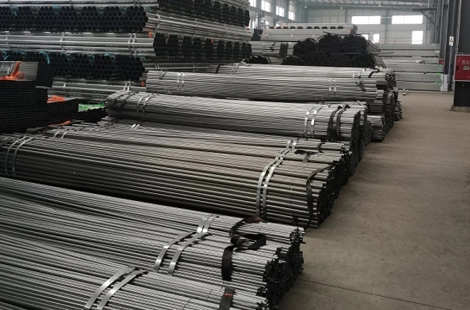
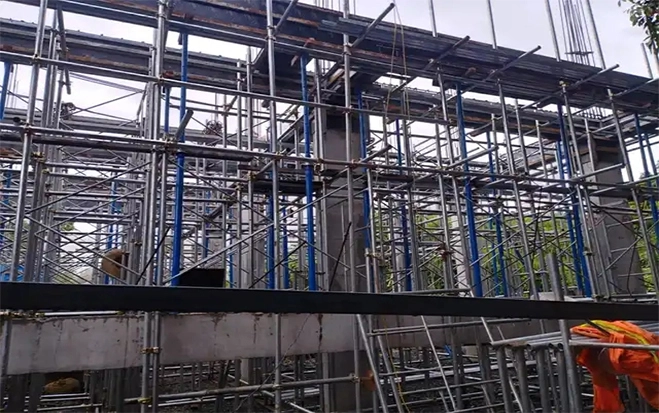
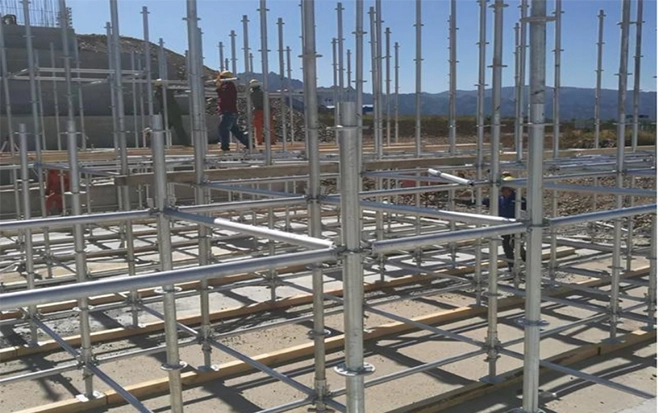
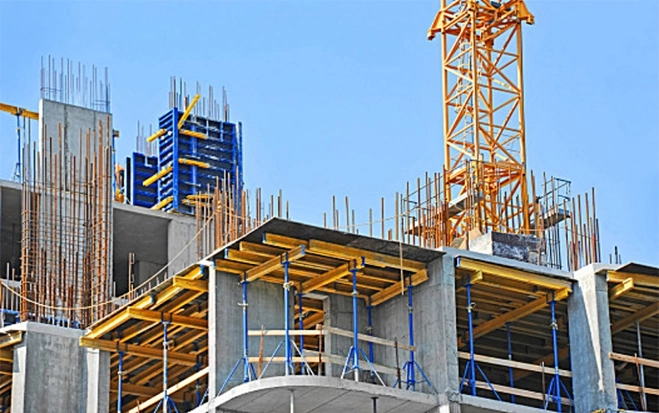
The fundamental goal when erecting a temporary support structure is ensuring uniform weight distribution across all vertical and horizontal planes. Utilizing a premium scaffolding steel pipe ensures that vertical compression forces from heavy machinery, stacked construction supplies, and personnel transfer safely down to the ground foundations without causing structural shifting. Because these tubular lines act as the primary structural pillars of the framework, any minor material defect, wall thinness, or hidden weak point can lead to severe geometric deformation under high environmental stress.
When managing high-load masonry work, complex suspended staging, or deep-set industrial layouts, engineers must evaluate how environmental hazards affect their hardware inventory. A high-quality tubular network provides essential structural safety margins through several distinct functional paths:
Uniform Structural Integrity: Continuous cylindrical profiles distribute load stress equally across the entire surface of the tube, reducing localized buckling risks under high physical pressures.
Environmental Degradation Resistance: Applying specialized protective treatments or industrial zinc coatings shields the underlying metal from environmental wear. This process minimizes structural failures caused by deep-set rust and rapid oxidation in coastal or freezing climates.
System Layout Flexibility: Robust tube configurations allow structural engineers to design tailored, custom access setups for irregularly shaped commercial facades, towering high-rises, or heavy industrial boiler systems.
2. The Industrial Manufacturing Loop of Carbon Seamless Pipe
The premium load capacity and exceptional performance of a carbon seamless pipe are achieved through a precise thermo-mechanical manufacturing process that eliminates internal material stress concentrations. Unlike standard fabricated tubes that are shaped from flat rolled sheets, this specialized process begins with solid steel cylindrical billets, ensuring a highly continuous metallurgical body from end to end.
To reshape the raw metal without altering its internal chemical consistency, the factory workflow utilizes a series of automated high-temperature stages.
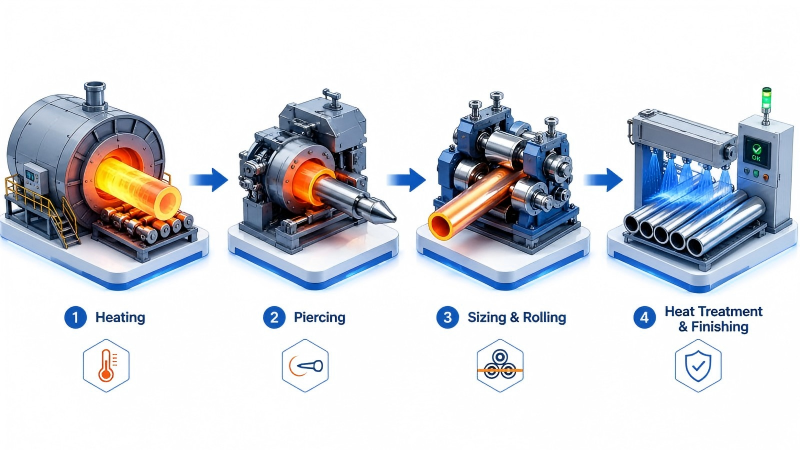
First, the manufacturing sequence starts by feeding solid, high-grade steel billets into a heavy industrial rotary furnace. These solid blocks are preheated to extreme thermal thresholds until the steel becomes highly malleable and ready for mechanical manipulation.
Second, once the ideal shaping temperature is achieved, the glowing billet is pierced through its exact geometric axis using a high-strength mandrel. This piercing operation instantly turns the solid cylinder into a rough, hollow shell without the need for longitudinal welding.
Third, the hollow shell is elongated and rolled over a heavy mandrel bar, stretching the hot metal out into an elongated structural tube. The tube is then passed through an automated series of finishing and sizing rollers, which precisely calibrate its outer diameter and establish an exceptional geometric uniformity across the production run.
Finally, the finished lines undergo controlled heat treatment cycles to optimize their mechanical toughness and increase their resistance to daily jobsite wear. After cooling, the finished tubes are cut to standardized lengths, put through quality assurance inspection loops, and finished with protective treatments to prevent surface oxidation during maritime shipping.
3. Engineering Breakdown: Welded Pipe and Seamless Pipe Configurations
Choosing the optimal framework for a commercial project requires balancing specific structural loading requirements against corporate budget limits and safety risk tolerances. Understanding the material differences between welded pipe and seamless pipe options allows procurement teams to secure the most efficient assets for their specific field applications.
Welded structural tubes are manufactured by cold-forming flat carbon steel sheets into a cylindrical profile and sealing the longitudinal joint with a continuous electric resistance weld seam. This advanced fabrication method makes welded models highly cost-effective, readily available for high-volume delivery, and flexible regarding custom diameter options. However, under extreme dynamic twisting, high vertical loads, or severe corrosion, a weld joint can represent a localized line of weakness that is more susceptible to splitting than solid alternatives.
In terms of physical presentation, a premium carbon seamless pipe is extruded directly from a solid metal block, creating a continuous crystalline structure entirely free of longitudinal weld seams. This seamless compilation provides superior tensile performance and highly reliable structural safety margins under intense mechanical pressures. While these seamless variants deliver exceptional dependability across high-risk, heavy-duty engineering fields, they typically involve a higher initial capital expenditure and offer a more standardized selection of traditional sizing schedules compared to their welded counterparts.
4. Field Maintenance and Compliance Monitoring Guidelines
Because structural steel inventory faces harsh handling and unpredictable weather conditions on-site, implementing a rigid inspection routine is critical to extending the lifespan of your equipment fleet. Debris, concrete slurry, and chemical residues must be thoroughly cleaned off after disassembly, and exposed metal surfaces should receive protective coatings to stop surface rust before it compromises the core metal thickness.
Qualified safety personnel must inspect all tube sections before installation, after removal, and periodically throughout the active construction cycle. Special focus should be placed on load-bearing bases, coupler connection points, and the full length of any weld seams on welded varieties. If a jobsite experiences severe weather occurrences, such as heavy wind storms, torrential rain, or extreme temperature shifts, an immediate structural inspection is mandatory to verify alignment security. Any tube showing deep corrosion pitting, localized crimping, or physical bending must be removed from the active inventory and replaced immediately to safeguard field personnel.
Application and Engineering Overview Matrix
To assist project layout designers and material planners during equipment allocation, the following matrix summarizes the operational profiles of standard industrial steel tubes:
| Pipe Classification | Manufacturing Method | Structural Profile | Core Advantage | Ideal Engineering Scene |
|---|
| Carbon Seamless Pipe | Hot-piercing and mechanical rolling of solid steel billets | Continuous metal structure without longitudinal weld lines | Maximum load capacity and uniform stress distribution | High-rise building facades, heavy industrial staging, high-pressure environments |
| Welded Steel Pipe | Cold-forming and continuous longitudinal welding of steel sheets | Features a continuous vertical weld joint | Highly cost-effective with wide custom sizing availability | Standard frame scaffolding, low-to-medium rise residential building, high-volume project footprints |
Conclusion
Achieving zero-accident milestones on modern construction sites requires a thorough understanding of the material limitations of your structural framework. Whether your incoming commercial development can utilize the cost-efficient versatility of high-quality welded steel lines, or your high-load infrastructure project demands the extreme structural integrity of a heavy-duty carbon seamless pipe, matching the structural profile to your exact jobsite stress requirements is key to field safety.
At Taishenglan Technology, we bring more than 15 years of industry-leading manufacturing and global export expertise to international construction markets. Our comprehensive product line features premium seamless carbon tubes alongside high-durability welded galvanized pipe selections designed to withstand harsh industrial environments. Built on our core corporate philosophy of safety, reliability, and efficiency, we deliver precision-engineered scaffolding steel pipe fleets to clients across more than 50 countries and regions. Contact our engineering consultation department today to request comprehensive material data sheets, schedule a container logistics plan, or receive expert selection guidance for your upcoming project.
Frequently Asked Questions (FAQ)
1. Why do seamless structural steel tubes offer higher safety margins than welded alternatives?
Seamless tubes are manufactured without longitudinal weld lines, creating a continuous, highly uniform metallurgical structure. This structural uniformity ensures that weight loads distribute evenly across the entire surface of the tube, eliminating the localized weak points that can cause unexpected splitting or structural buckling under heavy pressures.
2. When should a procurement manager choose a welded pipe over a seamless model?
A welded structural pipe is the ideal choice for low-to-medium rise projects, standard frame staging, and high-volume procurement budgets where cost-efficiency and flexible custom diameters are primary concerns. It provides reliable performance for standard load configurations without the higher premium cost of seamless extrusion.
3. How does environmental corrosion affect the safety of temporary scaffolding steel pipe networks?
Prolonged exposure to rain, snow, and fluctuating outdoor temperatures can cause untreated steel to develop rust, which gradually thins the pipe wall and reduces its overall load-bearing capacity. Utilizing pipes protected with advanced surface treatments, such as premium hot-dip galvanizing, creates a resilient physical barrier that prevents premature structural failure.
4. What are the key visual inspection points for welded scaffolding steel pipe networks?
Qualified personnel must regularly examine all longitudinal weld joints for signs of microscopic cracks, material fatigue, or weld separation. Inspectors should also check base plates, interlocking connections, and load-bearing components for deep-set rust or physical warping, especially following extreme weather events like heavy storms.
 English
 Español
 português
 العربية