Not every project requires the same scaffolding system. A residential building, a bridge structure, a tunnel, and an industrial facility each present different demands in terms of access, load, geometry, work sequence, and safety management. That is why experienced buyers and engineers increasingly focus on scaffolding solutions rather than individual products alone.
Building Construction: Balance of Support, Access, and Efficiency
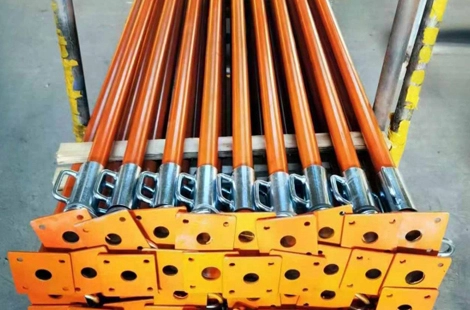
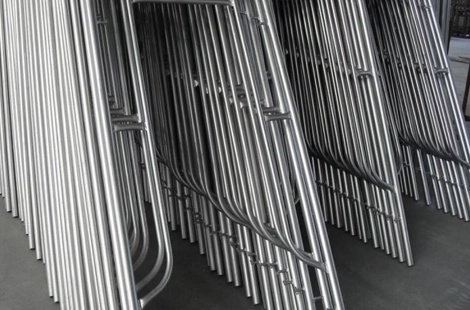
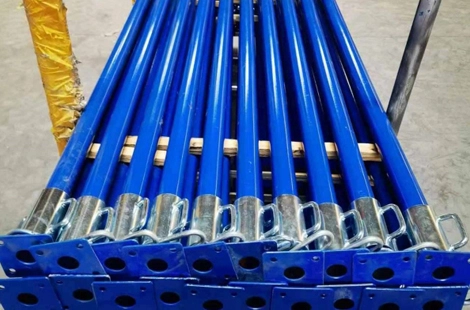
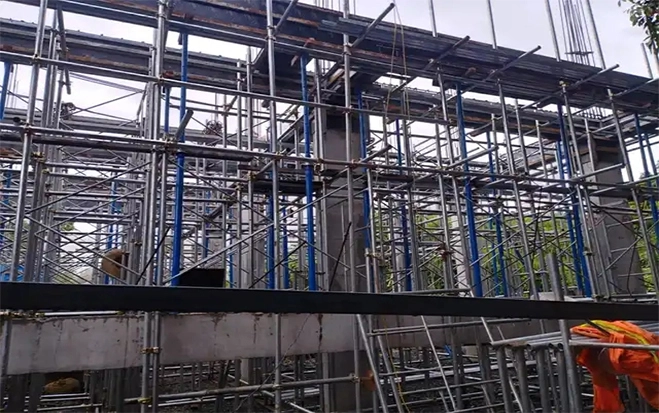
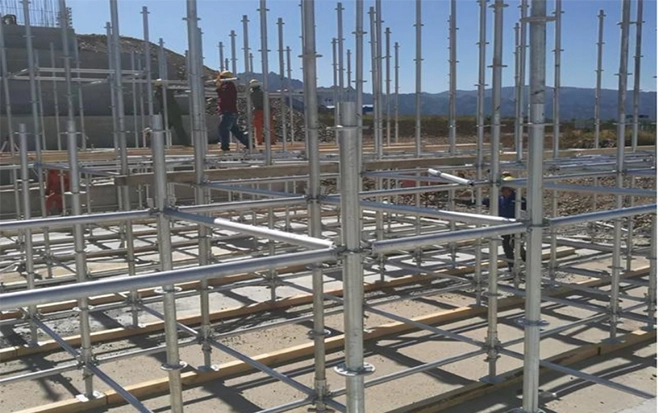
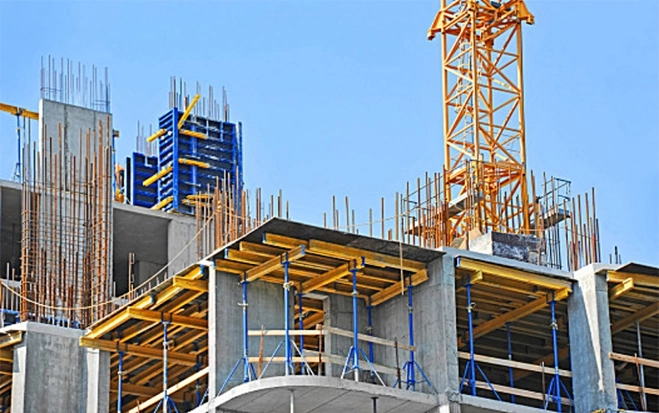
In standard building construction, the main priorities are usually temporary support, safe worker access, and installation efficiency. Steel props can be used for slab and beam support during concrete works. Frame scaffolding is often suitable for general access and exterior works. Steel frame formwork may also be necessary where concrete shaping and dimensional consistency are important.
Skyscrapers and Towers: Adaptability for Complex Elevation Work
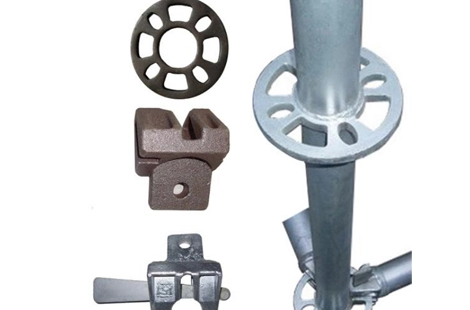
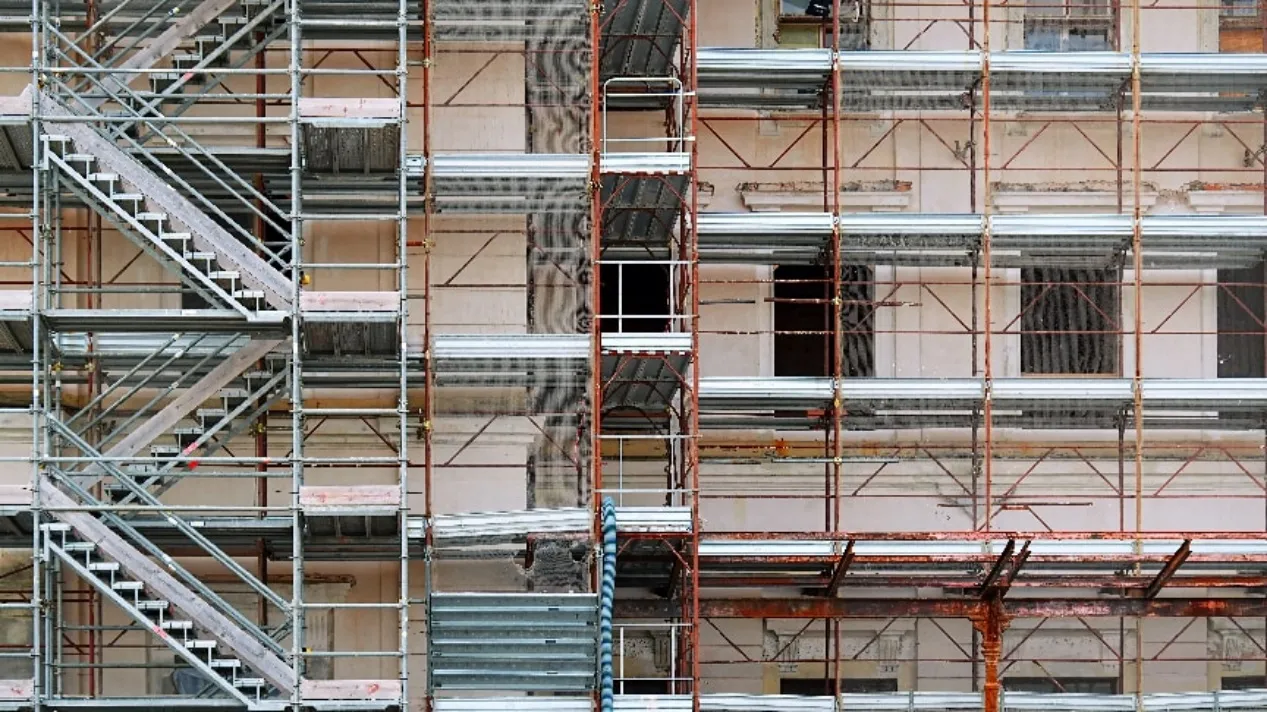
Projects involving towers, high-rise buildings, or complex facades often require a more adaptable system. In these cases, modular scaffolding such as ringlock is commonly preferred because it can be configured more flexibly around changing elevations and irregular structural geometry. This helps the contractor manage both access and schedule more effectively.
Bridges and Viaducts: Stability Under More Demanding Conditions
Bridge and viaduct works usually involve more demanding site conditions, including larger spans, changing elevations, and stricter structural coordination. In these projects, the scaffolding solution needs to be selected with close attention to stability, connection reliability, and the way the system interacts with the work sequence.
A solution-oriented approach is more effective than selecting products one by one without considering the full structural context.
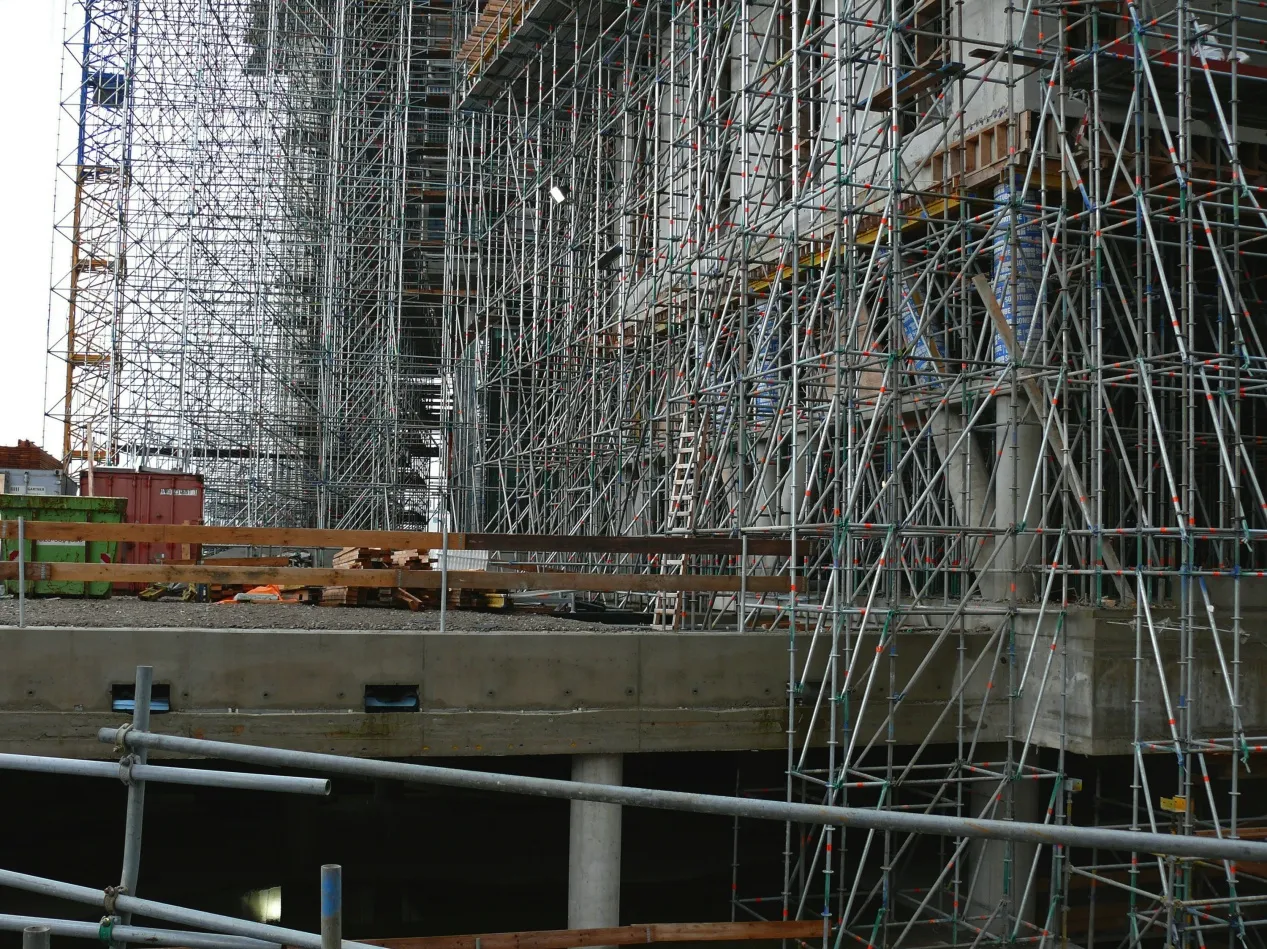
Tunnels, Industrial Facilities, and Energy Structures: Jobsite Constraints Matter
Tunnels and industrial sites often introduce additional constraints such as limited space, difficult access routes, maintenance work around existing structures, or exposure to moisture and demanding environments. In these situations, the right scaffolding solution is the one that respects site constraints while still allowing efficient assembly, safe movement, and dependable support.
This is why solution planning should start from the application scenario, not from a fixed product list.
Hydro, Wastewater, and Maintenance Projects: Durability and Flexibility
Hydro projects, wastewater treatment facilities, and restoration works often require repeated access, staged installation, and reliable performance in demanding conditions. Here, durability, corrosion resistance, modularity, and ease of dismantling become important decision points.
A good solution should support the work method, not slow it down.
How to Choose a Solution Partner, Not Just a Product Supplier
When evaluating scaffolding solutions, buyers should ask a few practical questions. What kind of project is this? What is the main structural task: support, access, forming, or maintenance? Will the system need frequent adjustment? Is the environment standard, humid, complex, or restricted? Does the supplier understand project applications well enough to recommend a workable combination?
The most valuable partner is not simply the one who offers products, but the one who can align those products with real project requirements.
Conclusion
The right scaffolding solution is rarely the same for every project. The best approach is to begin with the application, then match the system accordingly. When buyers do this well, they reduce installation problems, improve safety, and make project coordination much easier.
If your team is working across building, infrastructure, or industrial sectors, a solution-led sourcing approach will usually create better long-term results than product-led purchasing alone.
 English
 Español
 português
 العربية