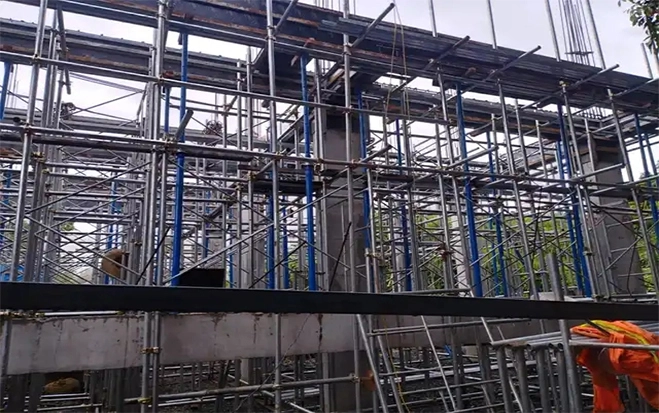
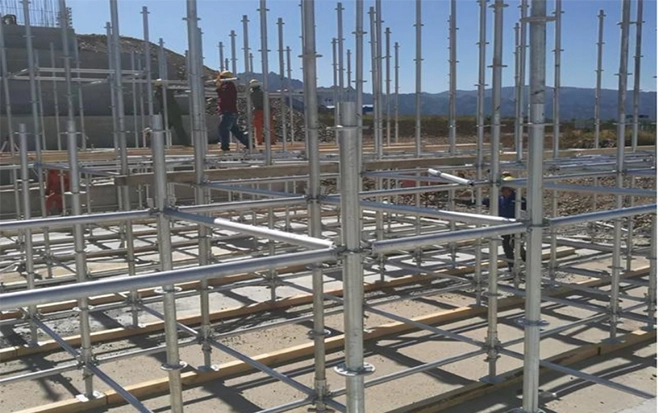
Learn how to order a complete scaffolding system. Avoid sourcing mistakes, evaluate core components, couplers & bases, and optimize one-stop B2B procurement.
Scaffolding procurement is often treated as a product order, but in practice it is a system decision. Buyers who focus only on the main structure and ignore accessories usually discover problems later, when the project is already on site. A stable and efficient scaffold depends not only on frames or standards, but also on the compatibility of couplers, bases, planks, support components, and formwork-related accessories.
Core Scaffolding Systems: Steel Props, Frame & Ringlock
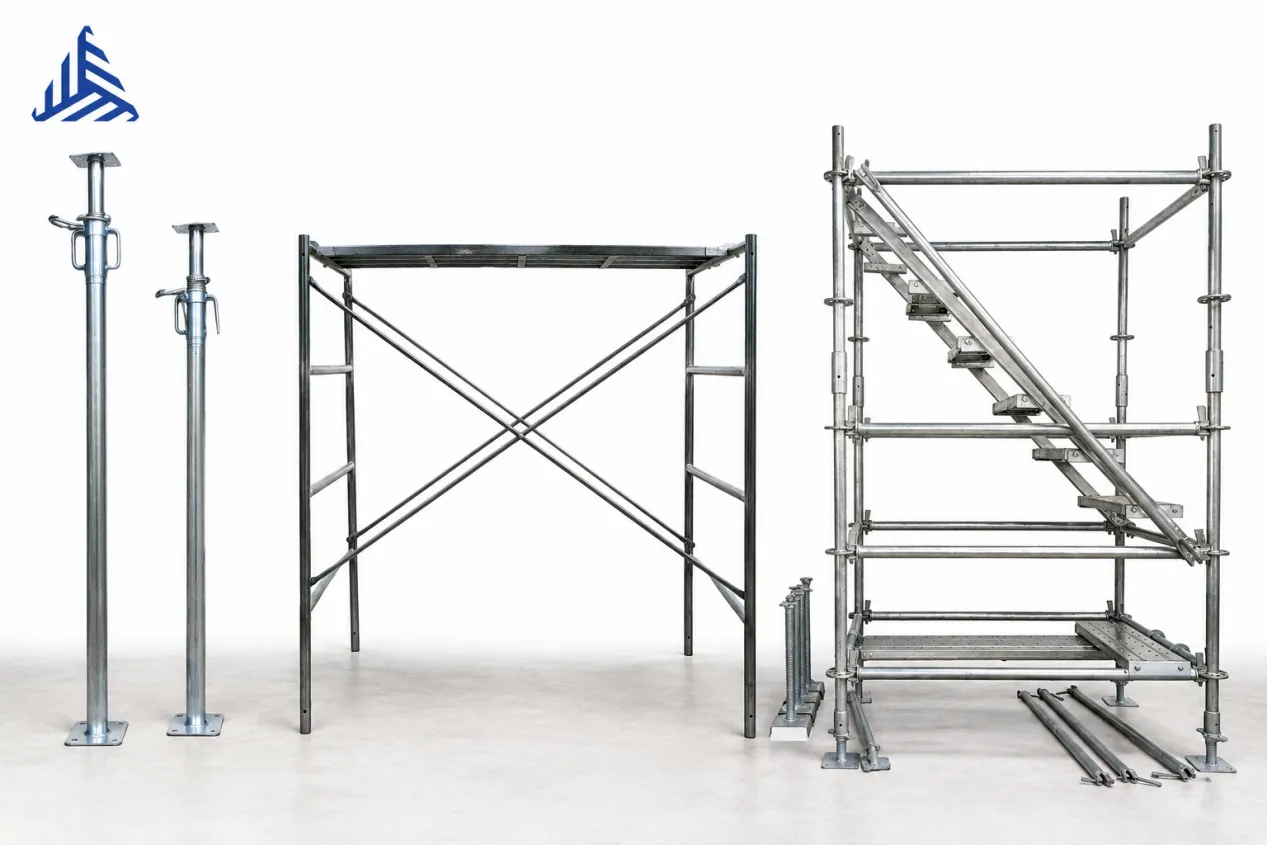
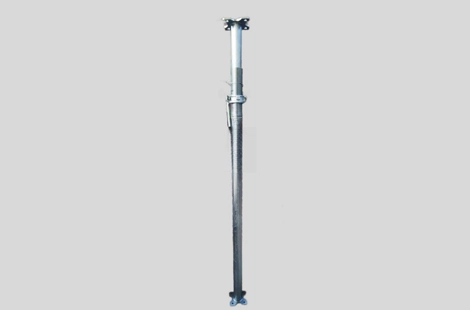
Steel Props for Vertical Support
Steel props are widely used for temporary load support in slabs, beams, formwork, and other structural applications. They are especially important where adjustable support is needed during concrete pouring or temporary structural stabilization. Buyers should confirm load requirement, adjustment range, and whether the product will be used together with formwork or shoring systems.
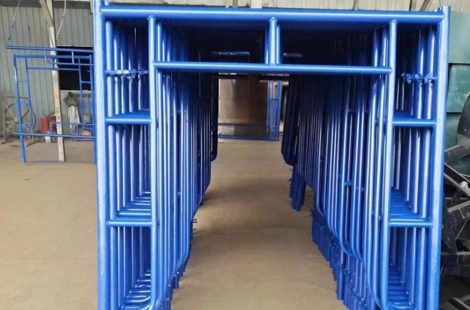
Frame Scaffolding for Access and General Construction Work
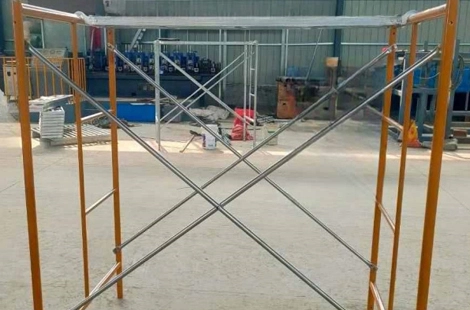
Frame scaffolding is commonly chosen for general construction, maintenance, and repair work because it is straightforward, practical, and efficient for many standard applications. The buyer’s focus should be on frame type, dimensional consistency, cross-brace matching, and ease of assembly.
Ringlock Scaffolding for Modular and Heavy-Duty Applications
Ringlock scaffolding is often preferred for more demanding or complex projects because of its modular design and flexibility. Typical components include standards with ring connectors, horizontal members, diagonal braces, platforms, and safety-related accessories. It is well suited to projects where faster assembly and stronger system coordination are required.
Essential Scaffolding Accessories for Site Stability
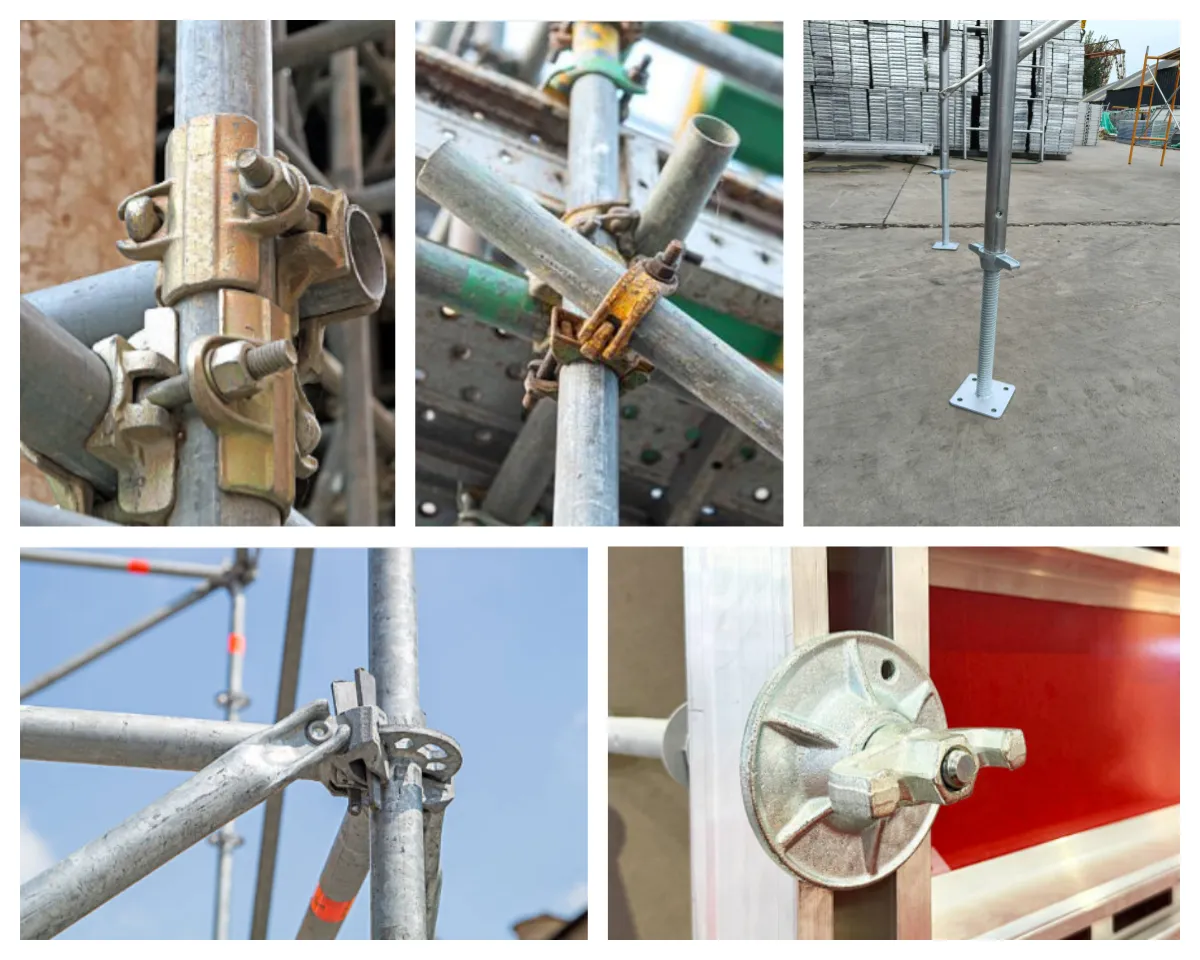
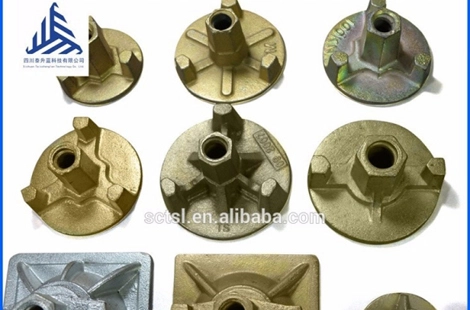
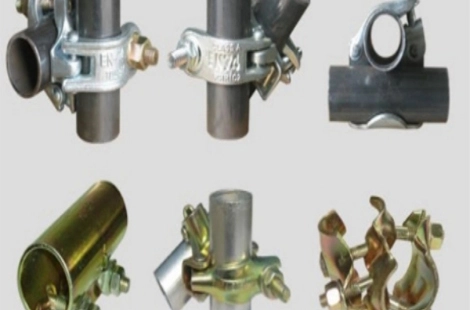
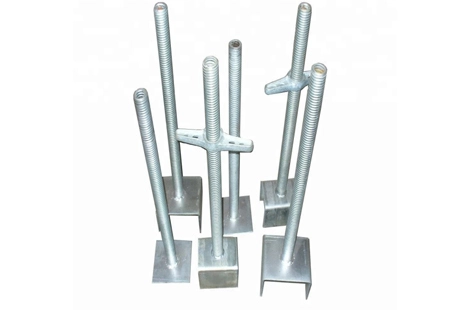
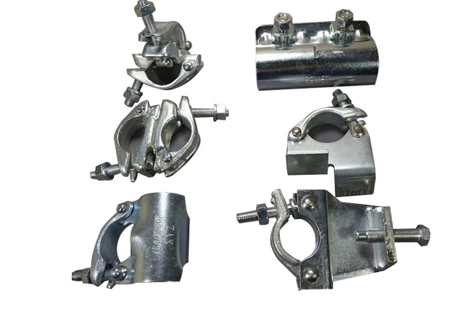
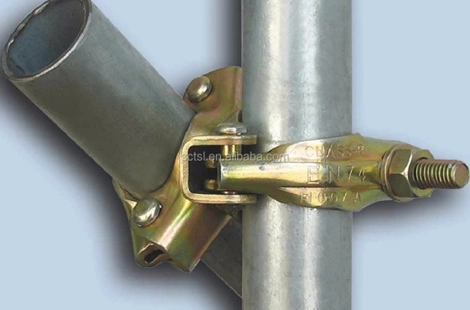
Scaffolding couplers are used to secure tubes and other structural parts. Jack bases help level the scaffold and create a stable base condition. Steel planks provide the working platform for movement and operation. Formwork tie rod wing nuts support proper alignment in concrete forming work. These items may look secondary on a quotation sheet, but on the jobsite they are often critical.
3 Sourcing Mistakes in B2B Scaffolding Procurement
One common mistake is buying items separately from multiple suppliers without confirming compatibility. Another is overlooking surface treatment, especially for projects in humid, coastal, or long-duration environments. Buyers also sometimes underestimate the importance of packaging, spare parts, and loading efficiency.
A lower price on individual parts does not always lead to a lower total procurement cost.
Comprehensive Scaffolding Purchasing Checklist
A practical purchasing checklist should include the following: application scenario, required quantity, dimensions, loading demand, preferred finish, required accessories, project schedule, and destination market. If buyers can define these points clearly, suppliers are more likely to recommend a complete and workable package rather than a fragmented quotation.
This is especially important when the order includes several categories such as props, frames, ringlock systems, couplers, bases, and planks in the same shipment.
Advantages of One-Stop Scaffolding System Sourcing
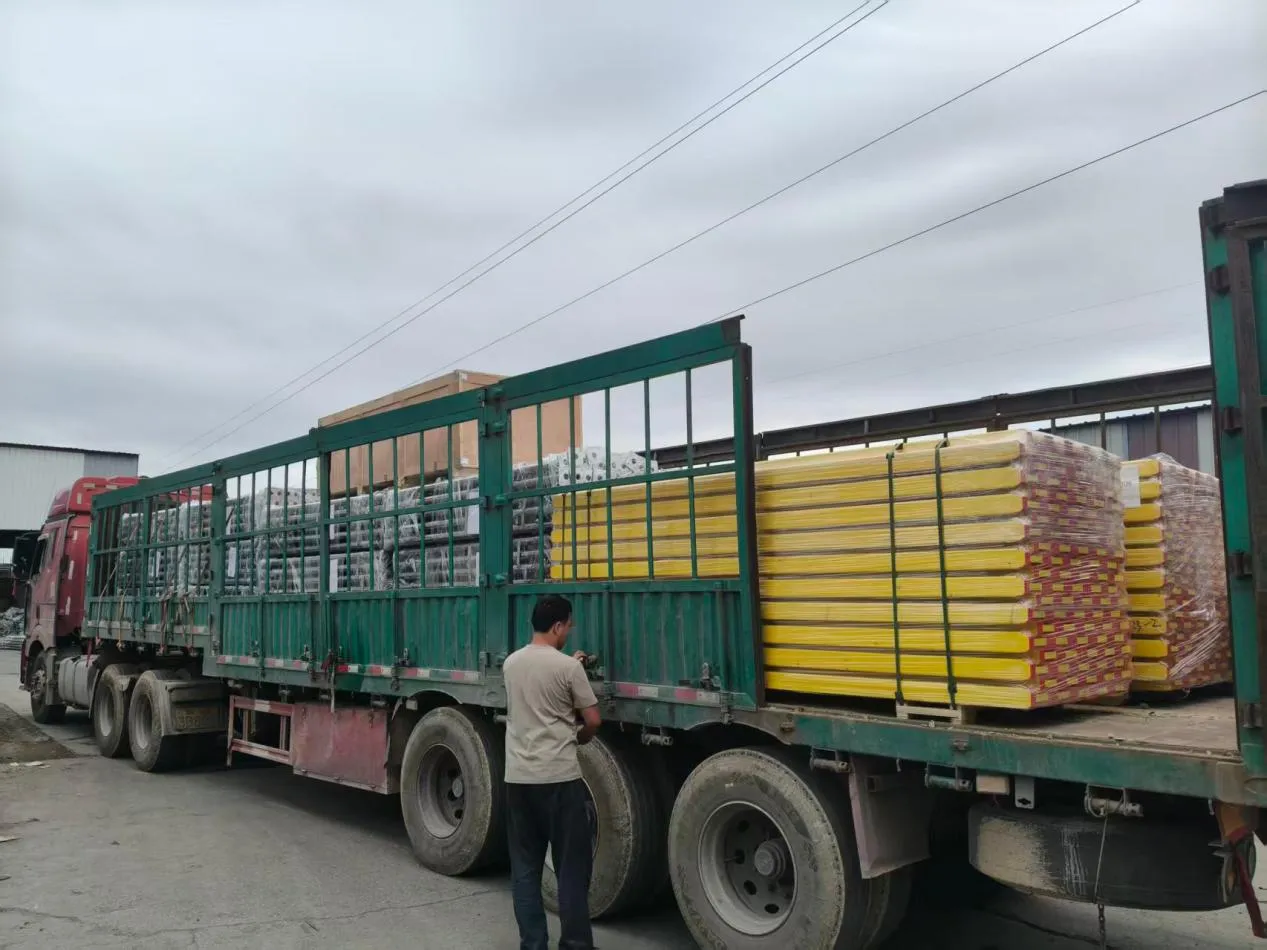
For many B2B buyers, the main advantage of one-stop purchasing is not convenience alone. It is control. When a supplier can provide both the main scaffolding products and the related accessories, communication becomes clearer, compatibility improves, and delivery coordination becomes easier. This is particularly useful for importers and project teams that work under tight schedules.
A supplier with a complete product system can usually help buyers save time, reduce sourcing risks, and manage project requirements more effectively.
Conclusion
A successful scaffolding order is not only about purchasing enough material. It is about building a system that can be installed efficiently, used safely, and managed reliably throughout the project cycle. Buyers who understand the relationship between the main scaffold and its accessories usually make better long-term decisions.
If your team is comparing suppliers or preparing a project quotation, reviewing the full range of scaffolding and accessories before placing an order is a practical first step.
 English
 Español
 português
 العربية