What Is a Formwork Tie Rod Wing Nut?
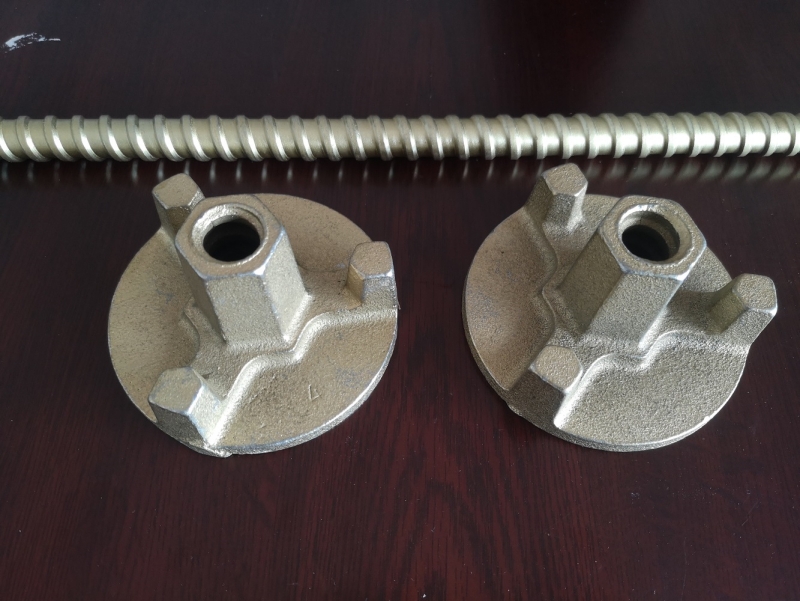
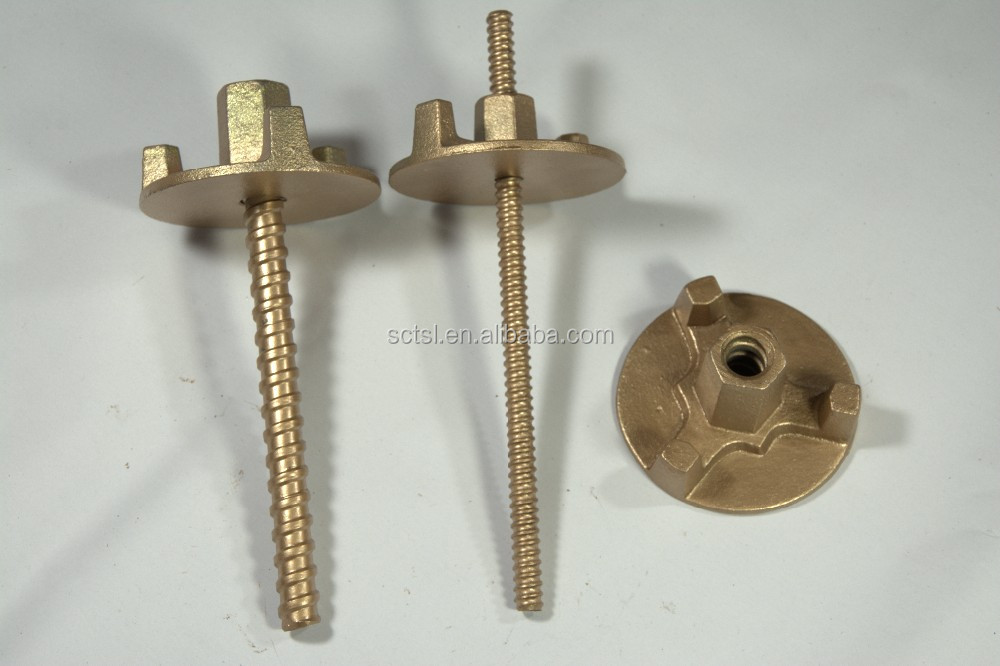
A formwork tie rod wing nut is an essential component in a concrete formwork support system. Its main function is to fasten and adjust the tie rods that hold formwork panels in position, helping the formwork remain stable while concrete is poured, set, and cured. In practical construction work, this small part plays an important role in keeping the formwork system secure and the final concrete shape accurate.
Why This Component Matters on Site
In formwork applications, performance often depends on the reliability of every connection point. A wing nut works together with the tie rod to keep the formwork tightly held in place, reducing the risk of movement during concrete pouring. When the formwork remains stable, contractors can maintain better control over alignment, structural consistency, and overall construction quality.
A Practical Choice for High-Rise Construction
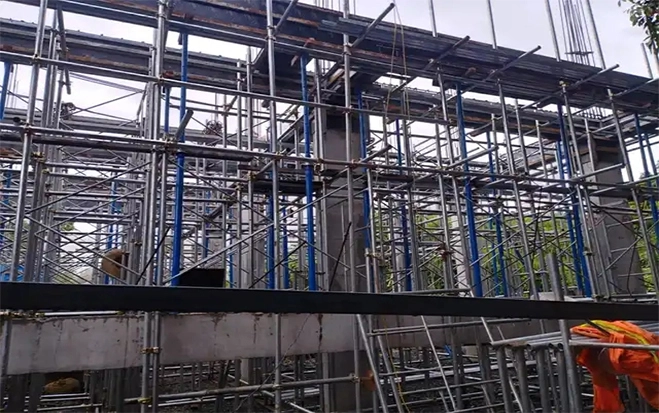
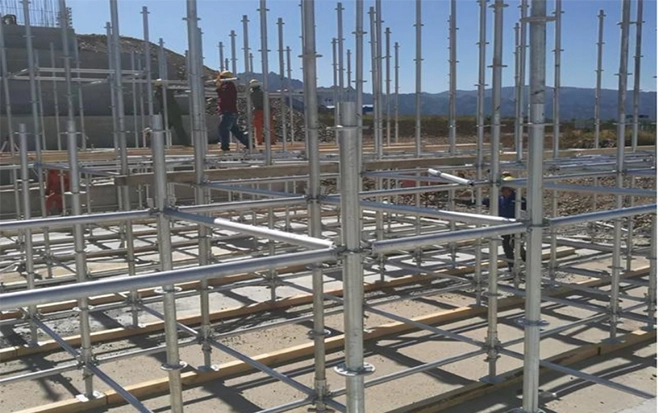
Formwork tie rod wing nuts are especially important in high-rise construction, where formwork systems must remain secure under demanding site conditions. Their role in maintaining stability, allowing adjustment, and supporting safe formwork performance makes them a practical tool for projects where precision and structural reliability are critical. On complex jobsites, dependable formwork accessories help keep work progressing with fewer interruptions and greater confidence.
Key Advantages of Formwork Tie Rod Wing Nuts
1. Stability for Formwork Systems
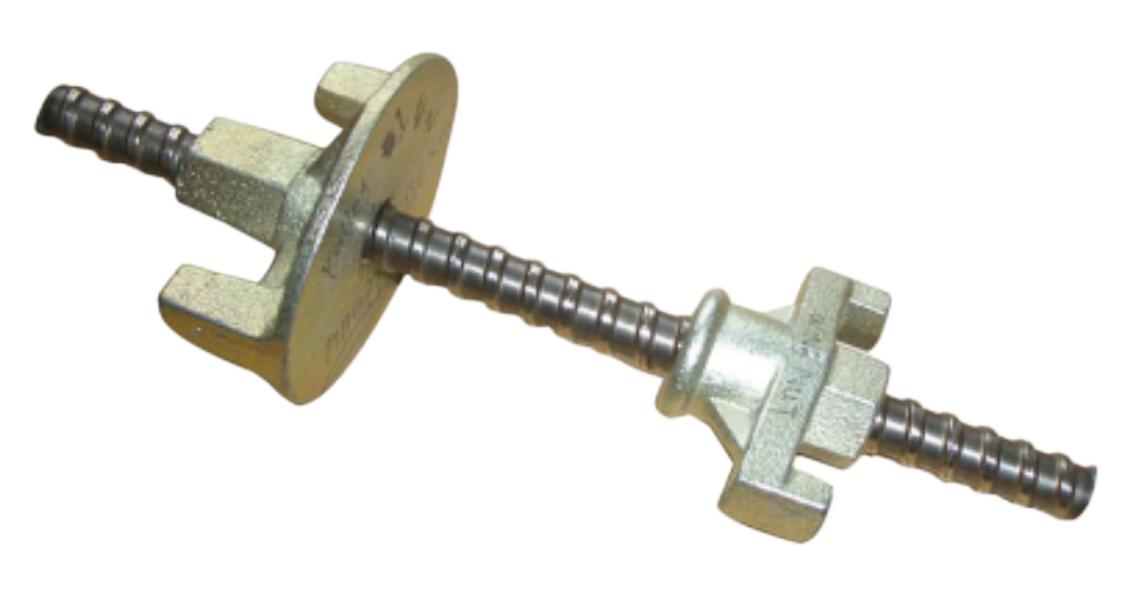
One of the main functions of a formwork wing nut is to secure the tie rod that holds the formwork in place. This helps prevent shifting during concrete pouring and supports a more stable formwork structure throughout the construction process. For contractors, stability at this stage is directly connected to safer work and better concrete results.
2. Easy and Precise Adjustment
Another important advantage is adjustability. The wing nut allows the tension of the tie rod to be adjusted more easily, helping the formwork stay tightly connected. This becomes particularly valuable on projects where formwork accuracy affects both the construction process and the quality of the finished concrete surface.
3. Durability Under Heavy Construction Demand
Formwork tie rod wing nuts are described as being made from robust materials and designed to withstand heavy loads and the pressures associated with high-rise construction. For buyers and project teams, this means the component is intended to perform reliably in demanding applications where formwork integrity cannot be compromised.
4. Faster Installation and Removal
Ease of use is another reason this component is widely valued. The wing nut design allows for quick installation and removal, which can improve efficiency on site and help teams manage formwork assembly and dismantling more smoothly. In busy construction schedules, saving time at each connection point can make a meaningful difference.
Available Size Options
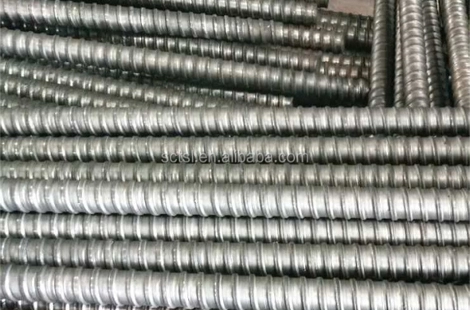
For different project requirements, two size options are available: Tie Rod 15mm and Tie Rod 17mm. This gives buyers more flexibility when matching tie rod wing nuts to the formwork system and construction requirement at hand. Selecting the right size helps ensure compatibility and supports more dependable use on site.
Maintenance Matters for Long-Term Performance
To keep formwork tie rod wing nuts functioning properly, regular inspection, proper cleaning, and correct storage are important. Inspection helps identify rust, cracks, deformation, or other wear after heavy use or exposure to harsh weather. Cleaning away concrete residue and dirt after each use helps maintain function, while dry and organized storage can reduce the risk of rust, damage, or loss.
What Professional Buyers Usually Look For
For professional buyers, choosing a formwork tie rod wing nut is not simply about purchasing a small accessory. It is about selecting a component that supports formwork stability, adjustment efficiency, durability, and smoother site operation. In real construction environments, even a small hardware part can influence installation speed, formwork reliability, and the overall execution quality of a concrete project.
Conclusion
A formwork tie rod wing nut may be small in size, but its role in the formwork system is significant. By helping secure and adjust tie rods, it contributes to the stability, safety, and efficiency of concrete formwork applications. With available 15mm and 17mm options, along with the practical advantages of stability, adjustability, durability, and ease of use, it remains a dependable choice for contractors, distributors, and construction buyers who value reliable formwork performance.
 English
 Español
 português
 العربية