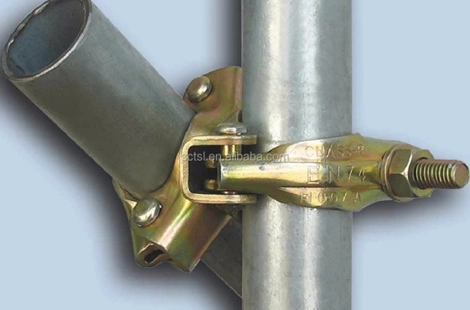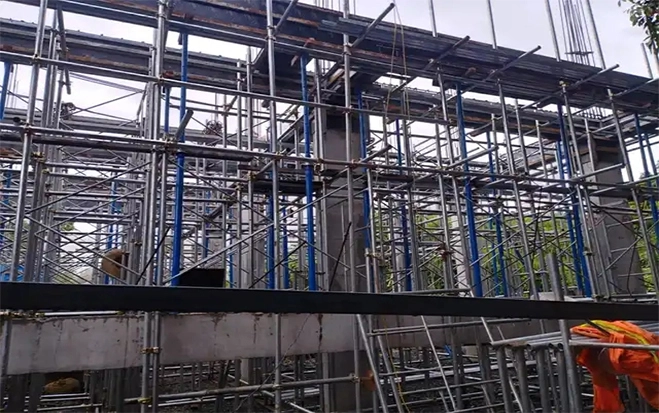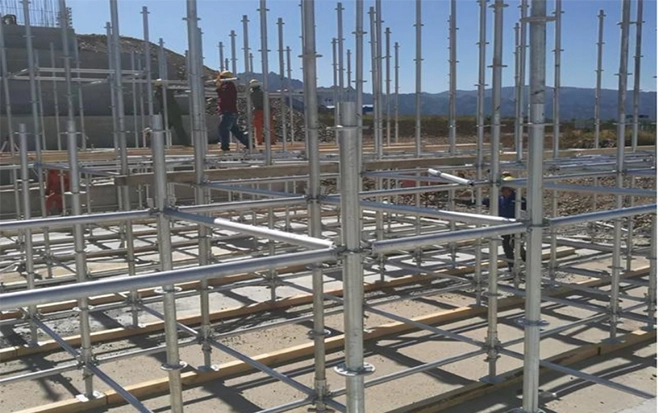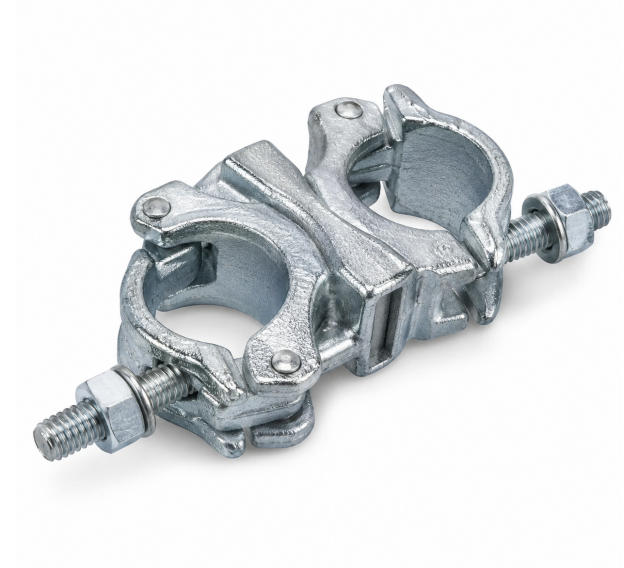
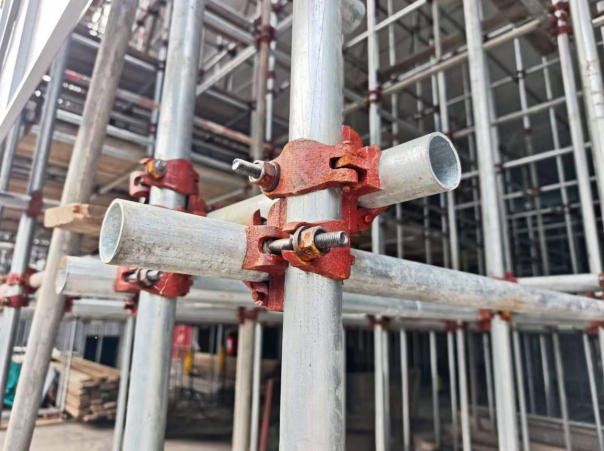
In scaffold assembly, small components often have a direct influence on overall site performance. A double coupler scaffolding component, also known as a scaffolding double clamp or right angle scaffold coupler, is used to connect two scaffold tubes at a 90-degree angle. This connection is common in tube-and-coupler scaffolding, temporary access structures, bracing arrangements, and many construction support applications.
At TSL Scaffolding, we understand that B2B buyers do not purchase couplers as isolated parts. They purchase them as part of a wider project system that must be practical to assemble, suitable for site conditions, and consistent with project requirements. For contractors, distributors, and procurement teams, choosing the right double scaffold coupler can help improve assembly consistency, support structural stability, and reduce avoidable delays during site installation.
Why the Double Coupler Matters in Scaffold Assembly
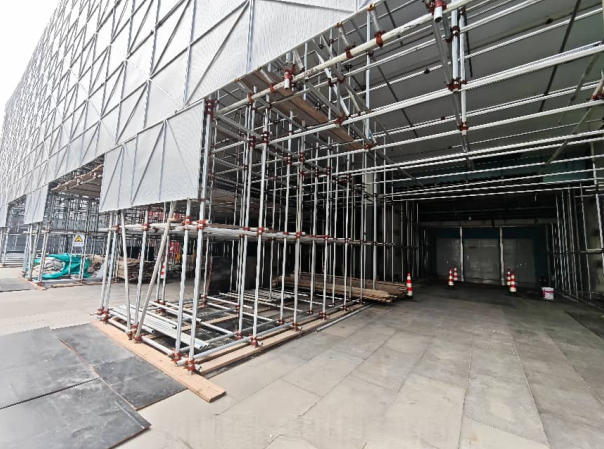
A scaffolding coupler is designed to join scaffold tubes securely. The double coupler is specifically used when two tubes need to meet at right angles. This makes it an important fitting for forming vertical and horizontal connections, fixing ledgers to standards, adding bracing members, or creating scaffold layouts around complex building shapes.
Because scaffolding is repeatedly assembled, adjusted, and dismantled, the coupler needs to be strong enough for demanding jobsite use while remaining simple for workers to handle. A well-selected scaffolding double clamp should support firm tube gripping, straightforward installation, and repeatable performance across multiple assembly points.
For B2B projects, this is not only a technical issue. It affects labor efficiency, inventory planning, transportation, and long-term component management. If a site uses many inconsistent or poorly matched fittings, installation can become slower and more difficult to supervise. Selecting a suitable right angle scaffold coupler helps create a more organized approach to scaffold erection.
Typical Applications in B2B Construction Projects
Tube-and-coupler scaffolding
Double coupler scaffolding is widely used in tube-and-coupler systems where flexibility is required. Unlike modular systems with fixed node points, tube-and-coupler scaffolding allows workers to adapt the layout to the structure on site. This makes the double scaffold coupler useful for renovation work, irregular building façades, industrial platforms, and projects where access points change during different construction stages.
Temporary access and support structures
In many construction environments, scaffold structures must provide temporary access for workers and materials. Right-angle tube connections are often needed to form working platforms, guardrail arrangements, access towers, or support frames. In these situations, the coupler must help keep the scaffold arrangement stable when installed correctly as part of a properly designed system.
Maintenance, repair, and industrial works
Maintenance and industrial projects often require scaffold structures to fit around pipes, tanks, machinery, or confined work areas. A scaffolding double clamp allows contractors to build adaptable structures where standard modular dimensions may not fully match site conditions. For such applications, buyers usually pay close attention to installation speed, surface protection, and compatibility with existing scaffold tubes.
Key Selection Factors for Buyers
Right-angle connection performance
The main function of a double scaffold coupler is to create a secure 90-degree tube connection. Buyers should review whether the clamp shape, bolt arrangement, and overall structure are suitable for the scaffold tubes used in their project. The connection should be easy to tighten correctly and should maintain firm contact with the tubes when used according to site requirements.
It is also important to consider how the coupler will be used in the overall scaffold design. Couplers are not selected only by appearance. They need to be evaluated together with tube size, scaffold layout, load conditions, erection method, and the relevant project requirements.
Material and surface treatment
Double coupler scaffolding is commonly made from steel for durability in construction environments. Steel construction helps the coupler withstand repeated handling, tightening, transport, and site exposure. Surface treatment is another practical purchasing point. Depending on the project and market requirements, buyers may consider finishes such as galvanized surfaces or other protective treatments to help resist corrosion during storage and use.
When comparing suppliers, buyers should request clear information about material, finish, production consistency, and packaging. For long-term inventory use, surface condition and storage protection can affect the coupler’s service condition over time.
Compatibility with scaffold tubes and project standards
Compatibility is one of the first issues procurement teams should confirm. A right angle scaffold coupler must match the tube diameter and scaffold system used on the project. In international procurement, tube sizes, wall thicknesses, and local standards may vary by market. Before ordering, buyers should confirm the required specifications and check whether the selected coupler aligns with applicable site or regional requirements.
For distributors, this step is especially important. Stocking a coupler that does not match local tube dimensions can create after-sales problems and project delays. Clear specification communication before production or shipment helps reduce this risk.
Installation efficiency and site handling
On a large project, hundreds or thousands of scaffolding couplers may be installed. Even small differences in handling can affect total labor time. A practical scaffolding double clamp should be easy for workers to position, tighten, inspect, and remove. Consistent product dimensions and reliable bolt operation support smoother site workflows.
Packaging also matters. Couplers are heavy in bulk, and they need to be packed in a way that supports transport, warehouse handling, and site distribution. Buyers may need to consider carton, bag, pallet, or other packaging methods depending on order size and logistics conditions.
Procurement Considerations for Contractors and Distributors
For contractors, the main purchasing concern is usually project suitability. The coupler must fit the scaffold design, comply with project expectations, and arrive on schedule. Contractors should prepare information such as tube size, required quantity, preferred surface treatment, project location, delivery schedule, and any applicable documentation needs before requesting a quotation.
For distributors and rental companies, the focus may be broader. They often need couplers that can serve multiple customers and repeated rental cycles. In this case, product consistency, packaging, replaceability, and stable supply planning are important. A double scaffold coupler is a frequently used item, so stocking decisions should be based on realistic local demand and compatibility with common tube specifications.
Importers may also consider labeling, pallet dimensions, container loading plans, and customs documentation. These details are not always visible on a product page, but they are part of successful B2B procurement. Discussing them early helps both supplier and buyer align expectations before shipment.
How TSL Scaffolding Supports Project-Based Purchasing
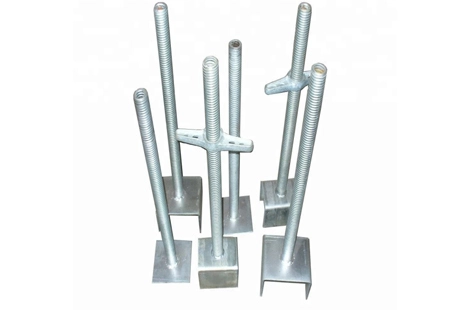
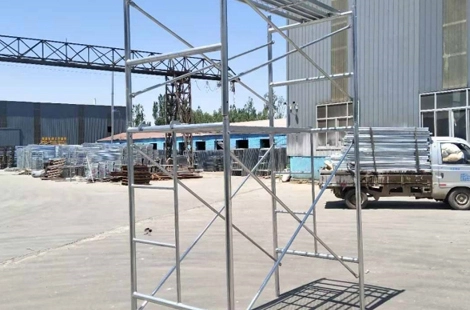
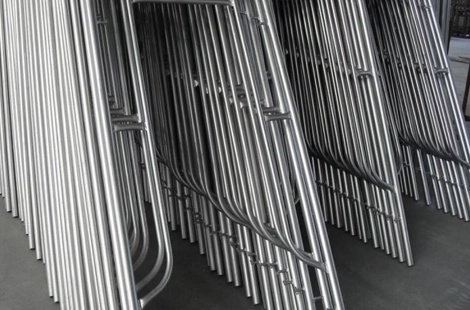
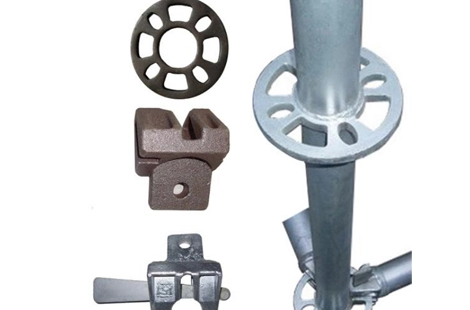
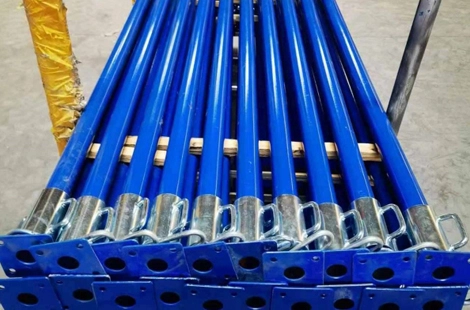
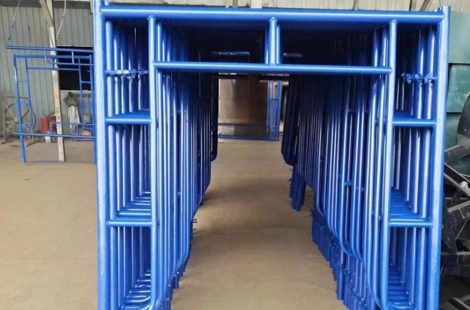
At TSL Scaffolding, we supply scaffolding systems, scaffolding couplers, ringlock scaffolding, frame scaffolding, steel props, formwork accessories, jack bases, and steel planks for construction access and support applications. For double coupler scaffolding, our focus is on practical project use: stable right-angle tube connection, durable steel construction, straightforward installation, and compatibility discussions based on buyer requirements.
We recommend that buyers share technical details as early as possible. This may include tube diameter, market requirements, expected application, purchase quantity, surface treatment preference, and packaging needs. With this information, our team can respond with more relevant product guidance and quotation details.
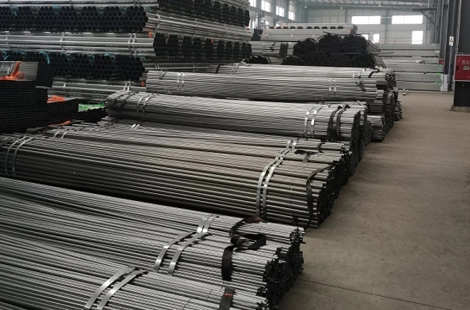
We also understand that scaffolding procurement is rarely a one-item order. Couplers may be purchased together with scaffold tubes, planks, jack bases, frames, or other accessories. Coordinating these items can simplify purchasing communication and help project teams prepare a more complete site equipment package.
Final Thoughts
Double coupler scaffolding plays a practical role in construction access systems by connecting scaffold tubes at right angles. For B2B buyers, the value of a scaffolding double clamp is not limited to the component itself. It also relates to scaffold stability, installation efficiency, tube compatibility, surface treatment, packaging, and project delivery planning.
Before placing an order, buyers should review the application, confirm tube specifications, clarify project requirements, and communicate procurement details with the supplier. A suitable right angle scaffold coupler can support a more organized scaffold assembly process and contribute to safer, more efficient site operations when used correctly within a properly designed scaffold system.
Looking for reliable double couplers for your next project? Share your tube specifications, quantity requirements, and destination market with our team. We will provide product recommendations, technical details, and a competitive quotation tailored to your project needs.
 English
 Español
 português
 العربية