Introduction
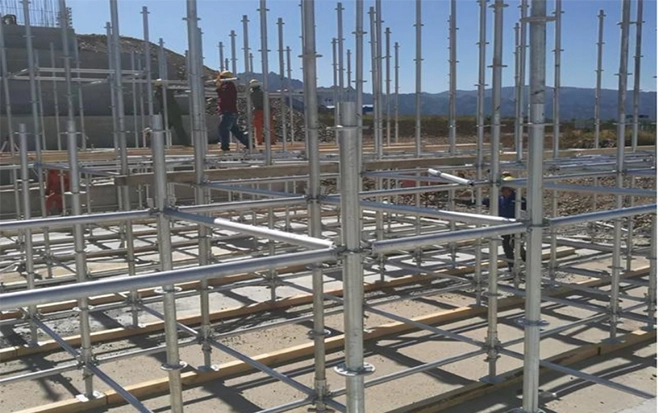
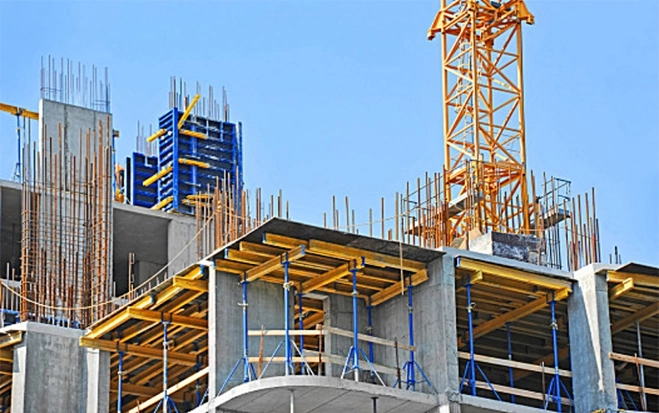
Every scaffolding structure depends on what happens at ground level. On real construction sites, the ground is rarely flat — soil grades vary, slabs are poured at different elevations, and sloped terrain is common on infrastructure projects. Without a reliable base component that can compensate for these conditions, even the most well-engineered scaffolding system above becomes vulnerable to instability.
Adjustable jack bases solve this problem. They sit at the bottom of every vertical scaffold standard, transferring loads into the ground while allowing precise height adjustment to keep the entire structure level. For procurement teams sourcing scaffolding components for building projects, bridge construction, or civil engineering work, understanding jack base specifications — thread size, base plate dimensions, load behavior, and scaffold compatibility — directly affects both safety outcomes and project efficiency.
This guide covers the types, specifications, and selection factors for scaffold jack bases, with reference to the product range available from Taishenglan Scaffolding (www.Taishenglan-scaffolding.com).
What Is a Scaffold Jack Base?
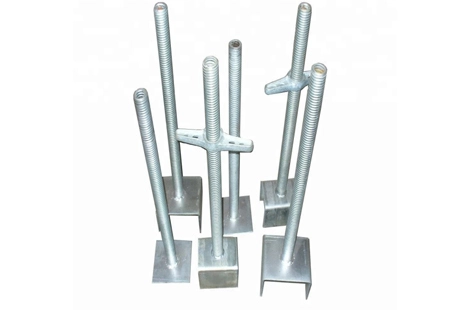
A scaffold jack base is an adjustable screw-jack component installed at the foot of a scaffolding standard (vertical tube). Its two-part design consists of a threaded steel rod and a welded base plate. The rod threads into the bottom of the standard, while the base plate rests on the ground or a sole pad, distributing the vertical load across a wider surface area.
The threaded rod allows workers to raise or lower the standard by rotating the jack, compensating for uneven ground without modifying the scaffold structure above. This adjustability typically ranges over several hundred millimeters, depending on the jack length selected.
Jack bases are used across virtually all scaffolding systems — ringlock, frame, cuplock, and modular systems — making them one of the most universally required scaffolding accessories on any project.
Key Features and Specifications
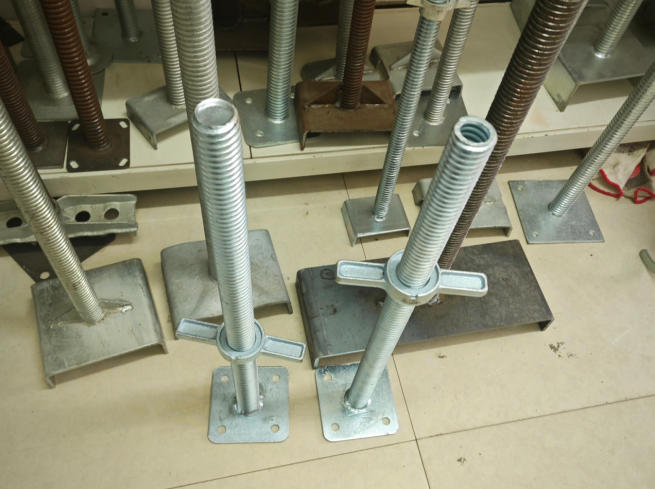
Taishenglan Scaffolding offers three categories of adjustable jack bases, each with distinct specifications:
Solid Jack Base
The solid jack base uses a solid steel rod for maximum load-bearing capacity. Available screw sizes include:
· Rod diameters: 30mm, 32mm, 34mm, 38mm, 42mm
· Rod lengths: 400mm or 600mm
· Base plate sizes: 120×120×4mm, 120×120×5mm, 140×140×4mm, 140×140×5mm, 150×150×4mm, 150×150×5mm
The solid construction is suited for heavy-load applications where maximum compression strength is required at the scaffold foundation.
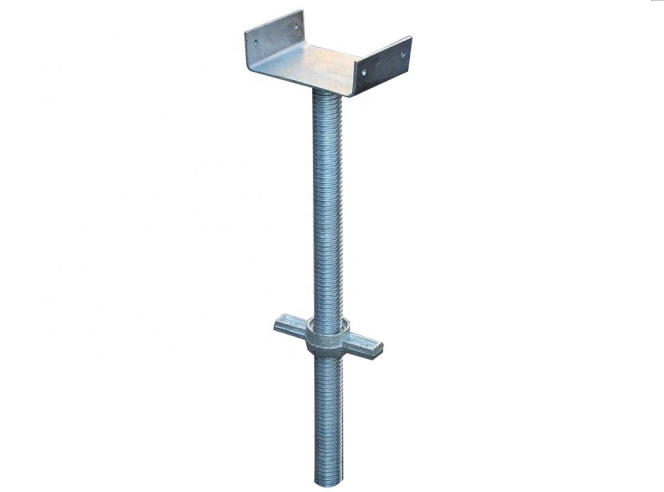
U-Head Jack Base
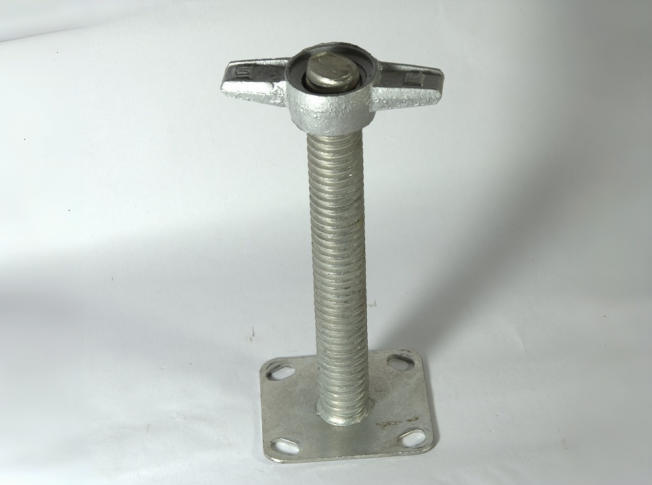
The U-head jack base features a U-shaped fork at the top of the rod instead of a plain end. This design allows the jack to support scaffolding tubes or beams that sit within the U-channel, providing lateral restraint in addition to vertical support.
Rod diameters: 30mm, 32mm, 34mm, 38mm, 42mm
Rod lengths: 400mm or 600mm
U-head dimensions: 150×120×50mm or 150×150×50mm, with plate thicknesses of 4mm, 5mm, or 6mm
U-head jacks are commonly selected when the scaffold needs to carry horizontal beams or when formwork support requires a saddle-type connection point.
Hollow Jack Base
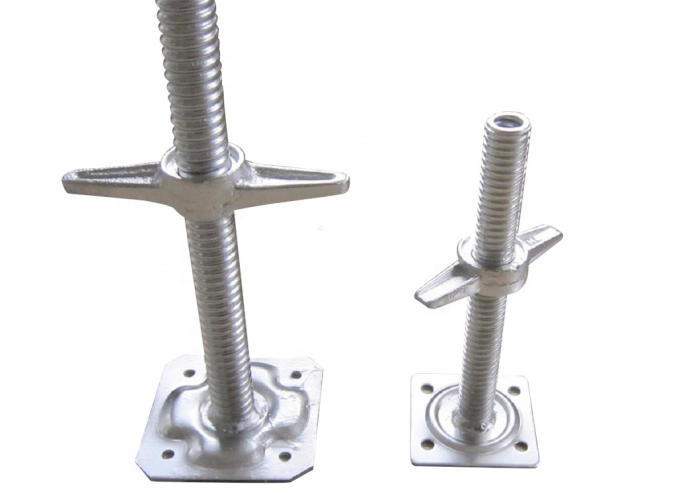
The hollow jack base uses a tubular rod design, reducing overall weight while maintaining structural performance. The hollow design makes these jacks easier to handle and transport, particularly for large-volume orders.
Rod diameters: 32mm, 34mm, 38mm, 42mm
Rod lengths: 400mm or 600mm
Base plate dimensions: 150×120×50mm or 150×150×50mm, with plate thicknesses of 4mm, 5mm, or 6mm
Material and Surface Treatment
All jack bases are manufactured from high-strength steel. The threaded rod provides smooth height adjustment, and the base plate is welded to distribute the scaffold load across the ground surface. For corrosion protection, galvanized or coated finishes are available, extending the service life of the components across multiple project cycles.
Main Applications
Scaffold jack bases are used in any construction scenario where scaffolding is erected on ground that requires leveling or load distribution:
Building construction: High-rise and low-rise residential or commercial projects where slab conditions vary across the site footprint
Bridge and viaduct construction: Infrastructure projects where scaffolding is erected on sloped embankments or irregular concrete pier foundations
Formwork support: Temporary shoring structures for concrete pouring, where jacks provide both height adjustment and load transfer to the ground
Maintenance and restoration: Access scaffolding for building facade work, where ground-level conditions may include landscaping, pavement, or debris
Industrial facilities: Plant construction and maintenance where floor surfaces have varying elevations or equipment foundations
The adjustability of the jack base means it can accommodate both minor level differences (a few centimeters) and more significant grade changes, depending on the rod length selected.
How to Choose the Right Scaffold Jack Base
Selecting the appropriate jack base for a project requires evaluating several factors:
1. Load Capacity Requirements: The jack base must support the full vertical load transferred through the scaffold standard — including the scaffold self-weight, worker loads, material loads, and wind loads translated into vertical force. Solid jack bases with larger rod diameters (38mm, 42mm) are typically selected for heavy-duty applications, while 30mm or 32mm rods may be sufficient for lighter access scaffolding.
2. Adjustable Height Range: The rod length determines how much height adjustment is available. A 400mm rod provides less adjustment range than a 600mm rod. Projects with significant ground-level variation — such as sloped sites or stepped foundations — require longer rods to achieve proper leveling without modifying the scaffold structure.
3. Base Plate Size and Thickness: The base plate distributes the scaffold load into the ground. Larger plates (150×150mm) spread the load over a wider area, reducing the risk of the scaffold settling into soft ground. Thicker plates (5mm or 6mm) resist bending under heavy point loads. On soft soil or when using sole pads, larger plates are generally preferred.
4. Top Connection Type (Solid vs. U-Head): If the jack base sits directly beneath a scaffold standard, a solid jack base is sufficient. If the jack needs to support a horizontal tube or beam — such as in formwork shoring or beam support applications — a U-head jack base provides the necessary lateral restraint to prevent the beam from rolling off the support point.
5. Scaffold System Compatibility: Jack bases must match the scaffold system being used. The rod diameter and top connection design must fit inside the standard of the scaffold system — whether ringlock, frame, cuplock, or another modular system. Confirm compatibility with the scaffold system's standard inner diameter before ordering.
· 6. Surface Treatment and Reuse Cycle: For projects requiring multiple erection cycles or exposure to corrosive environments, galvanized finishes provide better long-term corrosion resistance. Painted or oiled finishes may be acceptable for single-use or short-term projects but will degrade faster under repeated handling and weather exposure.
Why Work with Taishenglan Scaffolding
Taishenglan Scaffolding (Taishenglan) supplies adjustable jack bases across a full range of rod diameters, lengths, base plate sizes, and head types. The product line covers solid, U-head, and hollow jack bases, allowing buyers to source all foundation components from a single supplier.
Key supplier capabilities include:
Full specification range: Rod diameters from 30mm to 42mm, lengths of 400mm and 600mm, and multiple base plate dimensions — supporting everything from light access scaffolding to heavy-duty formwork shoring
Compatibility support: Jack bases are compatible with ringlock, frame, cuplock, and modular scaffold systems, and Taishenglan Scaffolding can confirm fitment based on the buyer's existing scaffold inventory
Customization: Specific rod lengths, plate sizes, and surface treatments can be discussed based on project requirements
Technical communication: Taishenglan Scaffolding's engineering team can provide guidance on jack base selection based on load requirements and scaffold system type
Volume supply: With four factories and large-scale production capacity, Taishenglan Scaffolding can fulfill volume orders for major construction projects
Conclusion
The jack base may be a small component relative to the full scaffolding structure, but it carries the entire load at the most critical point — the interface between scaffold and ground. Selecting the right rod diameter, length, base plate size, and head type for the project's ground conditions and scaffold system ensures structural stability from the ground up.
If you are sourcing scaffold jack bases for an upcoming construction project, contact Taishenglan Scaffolding to discuss your specifications, scaffold system compatibility, and volume requirements. The team can provide detailed product data and quotation based on your project needs.
 English
 Español
 português
 العربية