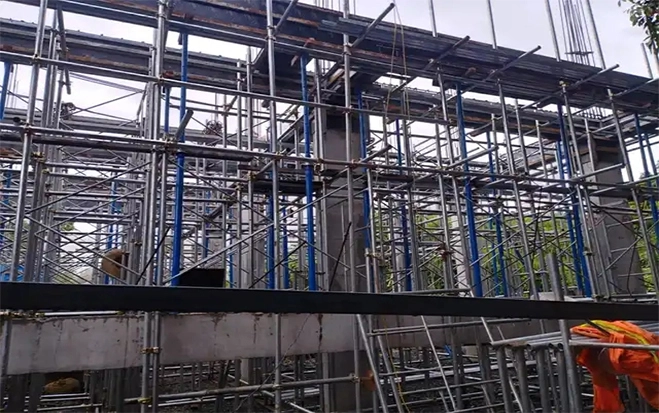
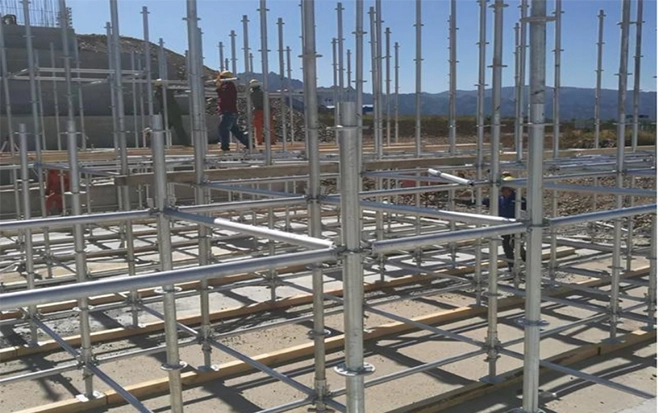
Scaffolding stability begins from the ground up. While vertical frames, standards, and horizontal components receive significant attention during scaffold planning, the foundation support system plays an equally important role in ensuring overall safety and performance. Among these components, jack base scaffolding provides adjustable and reliable support that helps create a stable connection between the scaffold structure and the ground surface.
However, not every jack base is suitable for every scaffolding system. Different scaffold designs, including ringlock, cuplock, frame, and other modular systems, have different connection structures, load requirements, and installation conditions. Selecting a compatible base jack is essential to achieve proper load transfer, accurate leveling, and safe scaffold operation.
As an experienced scaffolding solution provider, TSL Scaffolding understands the importance of matching support components with specific scaffold systems. Choosing the correct jack base scaffolding solution allows contractors to improve assembly efficiency, enhance stability, and reduce potential issues during construction projects.
Why Compatibility Is Critical to the Performance of Jack Base Scaffolding
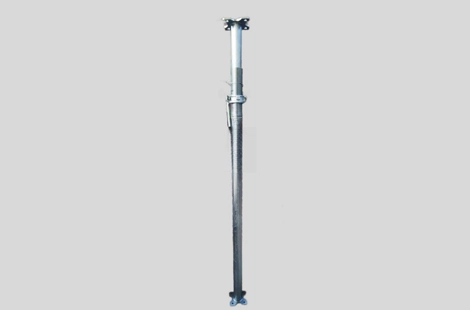
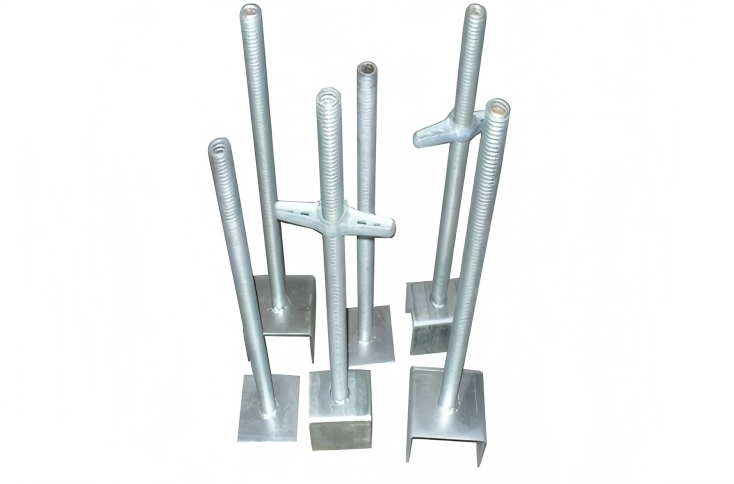
The primary function of jack base scaffolding is to provide adjustable support at the bottom of a scaffold structure. By allowing height adjustment, a base jack helps compensate for uneven ground conditions and ensures that vertical scaffold components remain properly aligned.
Compatibility is critical because the base of a scaffold directly influences how loads are transferred from the upper structure to the ground. When a base jack does not match the scaffold system, problems such as uneven loading, reduced stability, and improper connections may occur.
A compatible jack base scaffolding system provides several important benefits. It improves vertical alignment, supports consistent load distribution, and helps maintain the designed geometry of the scaffold. This is particularly important for multi-level scaffolding structures where even small alignment problems can affect overall performance.
In addition, compatibility affects installation efficiency. When the base jack dimensions, adjustment range, and connection design match the scaffold system, workers can assemble the structure more quickly and reduce the need for additional modifications.
For contractors comparing different scaffold support components, selecting suitable scaffolding products and system accessories helps ensure that each component works together effectively within the complete scaffold structure.
Selecting Compatible Jack Base Scaffolding for Ringlock, Cuplock, Frame, and Other Systems
Different scaffolding systems have unique structural designs, which means the selection of jack base scaffolding should consider the specific requirements of each system. Although the main purpose of a base jack is similar across applications, dimensions, connection methods, and load conditions may vary.
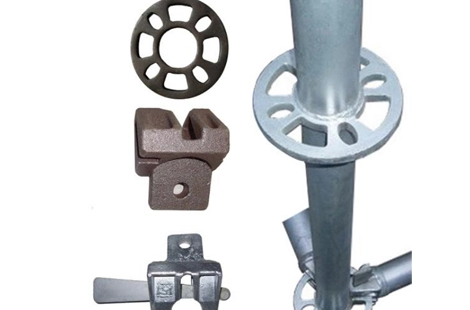
For ringlock scaffolding systems, the base jack must provide stable support for vertical standards while maintaining accurate positioning of the rosette connection system above. Because ringlock scaffolding is commonly used for complex structures and heavy-duty applications, proper base compatibility helps maintain overall stability.
Cuplock scaffolding systems also require a suitable jack base scaffolding solution that supports the vertical standards and allows precise leveling. Since cuplock systems rely on cup-and-blade connections, the base support must maintain correct vertical alignment to ensure efficient assembly.
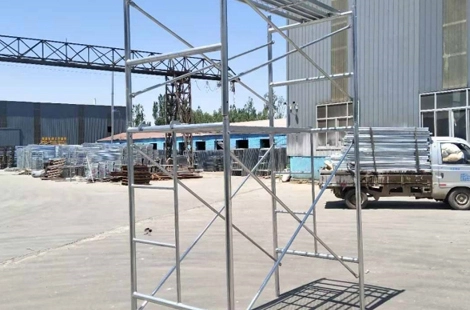
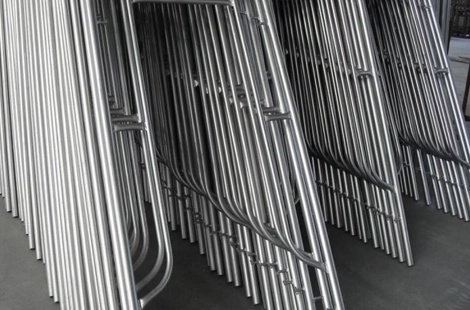
Frame scaffolding typically uses different vertical components compared with modular systems. Therefore, the selected base jack should match the frame dimensions and provide sufficient adjustment capability for the intended working environment.
| Scaffolding System | Jack Base Compatibility Consideration | Main Selection Focus |
|---|
| Ringlock scaffolding | Requires stable support for vertical standards and modular connections | Thread adjustment range, load support, and standard compatibility |
| Cuplock scaffolding | Needs accurate leveling for cup-and-blade vertical components | Proper base size and secure standard positioning |
| Frame scaffolding | Must match frame dimensions and installation structure | Base plate size and height adjustment capability |
| Other modular systems | Depends on scaffold design and project requirements | Overall compatibility and site conditions |
Before selecting a base jack, contractors should confirm the scaffold type, vertical component dimensions, required adjustment height, and expected working loads. This ensures the support system performs reliably throughout the project.
Essential Design and Specification Factors When Choosing a Jack Base
The performance of jack base scaffolding depends on several design and specification factors. A properly selected base jack should provide sufficient strength, adjustability, and stability for the intended scaffold application.
Material quality is one of the most important considerations. High-quality steel construction helps the base jack withstand vertical loads and repeated use in demanding construction environments. The manufacturing accuracy of threaded components also affects adjustment smoothness and long-term reliability.
The adjustment range is another key factor. Different construction projects require different scaffold heights, and the selected jack base scaffolding should provide enough adjustment capability while maintaining stable support conditions.
The size and design of the base plate also influence ground pressure distribution. A properly designed base plate helps spread loads over a wider area, improving stability and reducing pressure concentration on the supporting surface.
How Jobsite Conditions Affect Jack Base Selection and Stability
Jobsite conditions play an important role in determining the most suitable jack base scaffolding solution. Even when a base jack is compatible with a specific scaffold system, external factors such as ground conditions, environmental exposure, and project requirements can influence overall stability.
Uneven ground is one of the most common challenges in scaffolding installation. Construction sites may contain slopes, rough surfaces, or areas with different levels of firmness. In these situations, an adjustable base jack helps workers level the scaffold structure and maintain proper vertical alignment.
Ground bearing conditions should also be considered when selecting a jack base scaffolding system. A stable foundation helps ensure that loads are transferred effectively from the scaffold structure to the ground. If the supporting surface is weak or uneven, additional preparation may be required before installation.
Environmental conditions can also affect product selection. Outdoor projects may expose scaffold components to moisture, temperature changes, and long-term weather conditions. Choosing a durable base jack with suitable surface protection can help maintain reliable performance throughout the project duration.
Project scale and scaffold height are additional considerations. Larger structures typically require more careful planning of support spacing, load distribution, and base adjustment. Selecting the correct jack base scaffolding according to actual site conditions helps improve both safety and construction efficiency.
Avoiding Common Compatibility Challenges in Scaffolding Assembly
Compatibility issues are among the common causes of inefficiency and instability during scaffold installation. Although a base jack may appear suitable at first glance, differences in dimensions, connection requirements, or adjustment specifications can affect the performance of the entire scaffolding system.
One common challenge is using a base jack that does not match the scaffold standard size. When the connection between the jack base scaffolding and vertical scaffold components is not properly aligned, it may create uneven loading conditions and reduce structural stability.
Another issue is selecting a base jack with an unsuitable adjustment range. If the adjustment height is insufficient, workers may need to use unsafe methods to compensate for height differences. On the other hand, excessive extension without proper consideration may influence stability.
Improper installation practices can also reduce the effectiveness of base jack scaffolding. The base should be positioned correctly, the adjustment mechanism should be secured, and the scaffold structure should be checked for proper alignment before use.
To avoid these challenges, contractors should confirm compatibility before purchasing or assembling scaffold components. Working with an experienced supplier such as TSL Scaffolding helps ensure that selected components are suitable for the intended scaffolding system and construction environment.
Best Practices for Maximizing Safety and Performance with Jack Base Scaffolding
Proper installation, inspection, and maintenance are essential for maximizing the performance of jack base scaffolding. Although the base jack is a relatively small component within a complete scaffold system, its role in maintaining stability is significant.
Before installation, workers should inspect each base jack to ensure that the threaded section, adjustment nut, base plate, and other structural parts are in good condition. Damaged or deformed components should not be used because they may affect load transfer and scaffold stability.
During assembly, the scaffold base should be installed on a prepared and stable surface. Workers should adjust the height evenly and ensure that all supporting points maintain proper contact with the ground. Correct leveling helps prevent uneven stress distribution throughout the scaffold structure.
Regular inspection during construction is also important. Changes in ground conditions, weather exposure, or heavy site activity may influence scaffold stability over time. Monitoring the condition of the jack base scaffolding allows potential issues to be identified before they become safety concerns.
After project completion, proper cleaning and storage can extend the service life of the equipment. Removing dirt, protecting threaded components, and storing base jack components in suitable conditions help maintain their performance for future applications.
For projects requiring professional guidance on scaffold support selection, contractors can contact the TSL Scaffolding team for project consultation to discuss suitable scaffolding configurations and support requirements.
Conclusion
Jack base scaffolding plays a fundamental role in creating stable, adjustable, and reliable scaffold foundations. Selecting a compatible base jack ensures that different scaffolding systems, including ringlock, cuplock, frame, and modular structures, can transfer loads effectively and maintain proper alignment during construction.
The right jack base scaffolding solution should consider scaffold type, material quality, adjustment range, jobsite conditions, and installation requirements. When these factors are carefully evaluated, contractors can improve scaffold safety, assembly efficiency, and overall project performance.
As a professional scaffolding supplier, TSL Scaffolding provides reliable scaffold components designed for different construction applications. By selecting suitable support systems and following proper installation practices, construction teams can build safer and more efficient working platforms.
FAQ
1. What is jack base scaffolding used for?
Jack base scaffolding is used to provide adjustable support at the bottom of scaffold structures. It helps level scaffolding, transfer loads, and improve overall stability on different jobsite conditions.
2. Why is base jack compatibility important?
A compatible base jack ensures proper connection, accurate load transfer, and stable alignment between the scaffold structure and the ground support system.
3. Can one base jack be used for all scaffolding systems?
No. Different scaffolding systems may require different dimensions, adjustment ranges, and connection designs. The base jack should match the specific scaffold structure.
4. What factors should be considered when selecting a jack base?
Important factors include scaffold type, material quality, adjustment range, base plate design, ground conditions, and expected working loads.
5. How does a base jack improve scaffold stability on uneven ground?
A base jack allows height adjustment, helping workers level the scaffold structure and maintain proper vertical alignment on uneven surfaces.
6. How should jack base scaffolding be maintained?
Jack base scaffolding should be inspected before use, kept clean, protected from corrosion, and stored properly after projects to maintain long-term performance.
 English
 Español
 português
 العربية