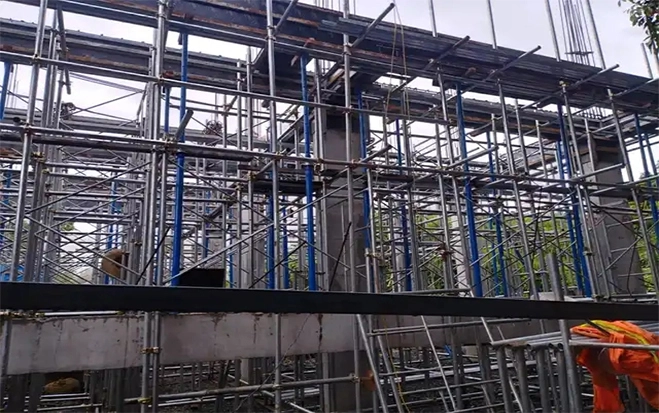
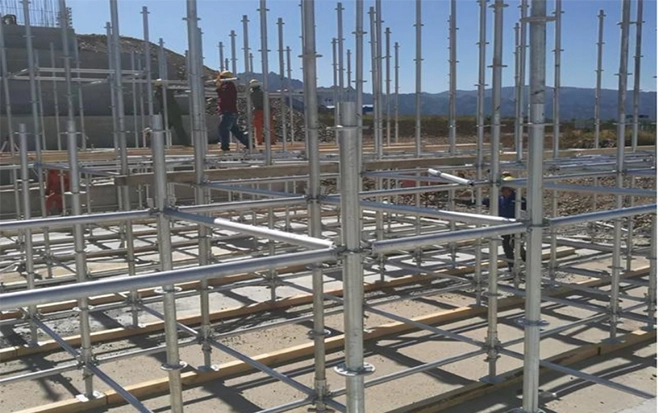
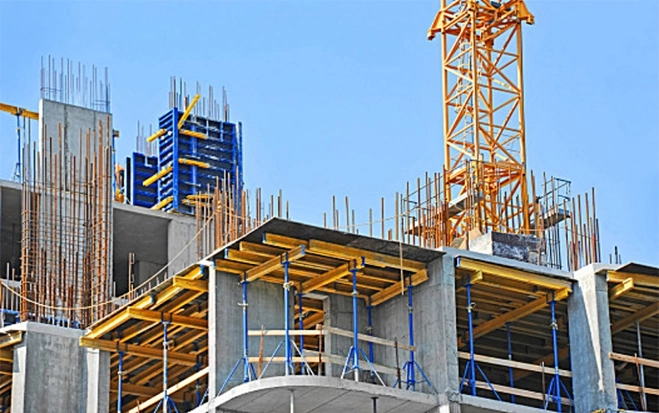
For international procurement managers, commercial contractors, and industrial developers, sourcing heavy-duty modular access systems from overseas is a high-stakes decision. Among modern temporary structures, the modular ringlock layout has rapidly become the global industry standard due to its multi-directional flexibility, geometric stability, and rapid assembly mechanics.
However, importing high-volume building materials introduces complex structural risks. Because these structural components directly support human lives at extreme heights, selecting a qualified industrial partner involves looking past basic pricing grids. Overseas buyers must carefully vet an engineering partner's metallurgical standards, automated production capabilities, and full-service lifecycle management. This comprehensive blueprint outlines the exact technical criteria required to identify and partner with a top-tier, international ringlock scaffolding manufacturer.
.jpg "/uploads/image/2026/06/15/how-to-choose-a-reliable-ringlock-scaffolding-manufacturer-a-guide-for-overseas-buyers(1).jpg")
1. Raw Material Verification: Assessing Metallurgy and Steel Grades
The ultimate load capacity and structural safety of a modular access setup are dictated by the quality of its underlying raw steel. A premier ringlock scaffolding manufacturer must never compromise on metallurgical integrity, as substandard raw materials lead to catastrophic failure under intense jobsite pressure. When auditing an overseas factory's raw material pipeline, professional buyers should verify that the supplier utilizes high-strength, certified structural steel such as Q195, Q235, or Q345. These specific carbon steel grades provide the exact balance of yield strength, tensile resilience, and structural ductility required to bear immense vertical loads without brittle cracking.
To prevent structural deformation under daily workloads, pay close attention to the following physical metrics:
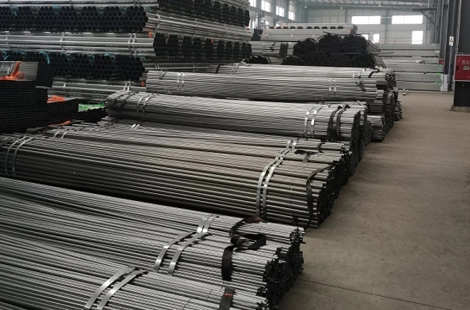
Tube Wall Thickness: Reject suppliers attempting to slash production costs by thinning tube walls. Industrial-grade vertical standards and horizontal ledgers demand exact, standardized wall thicknesses between 2.0mm and 3.2mm depending on engineering requirements.
Mill Test Certificates (MTC): A truly reliable ringlock scaffolding supplier provides transparent heat numbers and raw material certificates for every single production batch, proving chemical composition and physical load limits before manufacturing begins.
2. Advanced Fabrication Practices: Automated Welding and Advanced Anti-Corrosion
A modular ringlock scaffolding system relies entirely on the structural perfection of its rosettes, ledger ends, and wedge pins. Because these components experience severe structural shear forces, manual welding techniques are no longer sufficient for modern industrial safety regulations. Manual processes often introduce human error, structural slag, and inconsistent seams that cause premature fracturing under dynamic weight shifts.
Overseas buyers must analyze a factory's processing technology, focusing on two primary industrial manufacturing pillars:
Automated Robotics Welding: State-of-the-art automated welding machinery guarantees flawless, 360-degree uniform penetration at every single rosette joint to eliminate critical structural blind spots.
Advanced Surface Treatments: To withstand harsh marine transit and extreme weather exposure, look for factories offering high-quality anti-rust Paint, specialized Pre-galvanizing, or premier Hot-Dip Galvanizing (HDG) to shield the underlying carbon steel from oxidation.
3. Vetting Factory Quality Control and International Certifications
When buying building materials from overseas, official third-party validation serves as your primary shield against substandard manufacturing. A premier manufacturing partner must prove its structural capabilities through globally recognized quality benchmarks and rigorous corporate credentials rather than self-made claims.
An official High-Tech Enterprise recognition demonstrates that the manufacturer invests heavily in advanced engineering research, modern machinery, and tech-driven production optimization. Furthermore, look for factories backed by prominent Quality Excellence and Technology Innovation Awards, which confirm that the facility actively pushes the structural boundaries of scaffolding engineering and maintains rigid internal testing loops. Finally, an Outstanding Export Enterprise status indicates a proven track record of managing international commercial trade, meeting strict customs protocols, and navigating regional safety compliance standards effortlessly.
.jpg "/uploads/image/2026/06/15/how-to-choose-a-reliable-ringlock-scaffolding-suppliers-a-guide-for-overseas-buyers(1).jpg")
4. Full-Service Lifecycle Management: Beyond Simple Steel Fabrication
A common mistake among overseas procurement teams is partnering with a traditional trading company or a basic fabrication plant that vanishes the moment a payment clears. A truly world-class ringlock scaffolding supplier must operate as a comprehensive, full-service enterprise that integrates product design, structural engineering, and end-to-end client support.
Before a single container is loaded, technicians must conduct meticulous pre-assembly procedures within the factory workshop. This quality check involves verifying flawless wedge-pin tolerances and pin-hole alignments, which prevents costly component mismatches and structural assembly bottlenecks when the equipment arrives on-site. For complex infrastructure projects like major bridges, highways, or dense urban high-rises, your manufacturing partner should also offer expert onsite engineering guidance and clear communication to ensure your site crews adhere to local building codes. Additionally, leading suppliers maintain elastic business models, offering tailored long-term equipment sales along with flexible temporary leasing alternatives to protect client capital.
5. Seamless Logistics and Container Optimization
In the bulk construction materials export sector, efficient supply chain and logistics management directly determine a buyer's total landed cost. A reliable global supplier must maximize spatial layout efficiency inside standard ocean containers to prevent structural shifting and component damage during long maritime transits.
A highly organized logistics department structures standard shipping workflows based on the following specific capacity data:
Component Bundling: Vertical standards, horizontal ledgers, diagonal braces, and tiny accessories are carefully bundled and palletized for fast, forklift-friendly loading.
20GP Container Capacity: Standard 20-foot general purpose ocean containers are optimized for heavy weight distribution, typically holding between 200 to 230 complete modular structural sets.
40HQ Container Capacity: High-capacity 40-foot high-cube containers maximize volume, safely accommodating between 500 to 550 complete structural sets while remaining securely within global maritime weight regulations.
Technical Auditing Checklist for Overseas Buyers
To streamline your supplier vetting process, utilize this concise industrial checklist during your next virtual factory tour or in-person manufacturing audit:
Raw Materials Check: Q195 ~ Q235 / Q345 structural carbon steel options with verified mill certificates.
Wall Thickness Precision: Minimum thickness verification via digital caliper testing across random batch samples.
Welding Technology: 100% automated robotic fabrication lines for rosette and sleeve attachment points.
Anti-Corrosion Finish: Standard industrial Paint, Pre-galvanizing, or premium Hot-Dip Galvanizing options.
Pre-Shipment Quality Testing: Mandatory workshop pre-assembly, crack inspection, and load-bearing stress tests.
Logistics Bundling: Highly structured palletizing designed to streamline international container customs clearance.
Conclusion
Choosing a global manufacturing partner for your ringlock scaffolding system requires looking beyond low-cost initial quotes. True procurement efficiency is found by aligning with a factory that blends raw metallurgical excellence, advanced automated robotics, third-party certified safety honors, and end-to-end engineering support.
At Taishenglan Technology, we have spent more than 15 years growing into a dominant industry leader, providing precision-engineered construction solutions to clients across more than 50 countries and regions. As an officially recognized High-Tech Enterprise and Outstanding Export Enterprise, we process certified Q195-Q235 structural steel using advanced automated welding lines to deliver elite performance. Choosing our systems means choosing invisible support—and visible peace of mind. Contact our engineering consultation team today to request an itemized container quote, full structural material data sheets, or expert logistics guidance for your upcoming construction project.
Frequently Asked Questions (FAQ)
1. Why is automated welding critical for a ringlock scaffolding system?
Automated robotic welding provides flawless 360-degree structural penetration around the rosettes and connector sleeves. This structural uniformity eliminates human errors, weak joints, and internal slag deposits, ensuring that every locking node can safely withstand extreme multi-directional load stress without cracking.
2. What raw steel grades should international buyers demand for modular scaffolding?
Overseas buyers should insist on high-grade carbon structural steel ranging from Q195 to Q235 or Q345. These specific steel grades provide an optimal structural balance of high yield strength and material ductility, enabling the scaffolding to support immense weight loads without bending or suffering brittle structural failure.
3. How many complete scaffolding sets typically fit inside standard ocean containers?
For optimized shipping efficiency, a standard 20GP container fits approximately 200 to 230 complete scaffolding sets, while a high-capacity 40HQ container comfortably accommodates between 500 to 550 complete sets, depending on your precise product sizing choices.
4. What value does factory equipment pre-assembly offer to overseas contractors?
Meticulous factory pre-assembly acts as a final quality control check before overseas transit. Technicians manually link components together to verify flawless wedge-pin tolerances and pin-hole alignments, preventing costly project delays, component mismatches, and structural assembly bottlenecks when the equipment arrives on-site.
 English
 Español
 português
 العربية