Choosing the Right Scaffolding Coupler Starts with Understanding Project Requirements
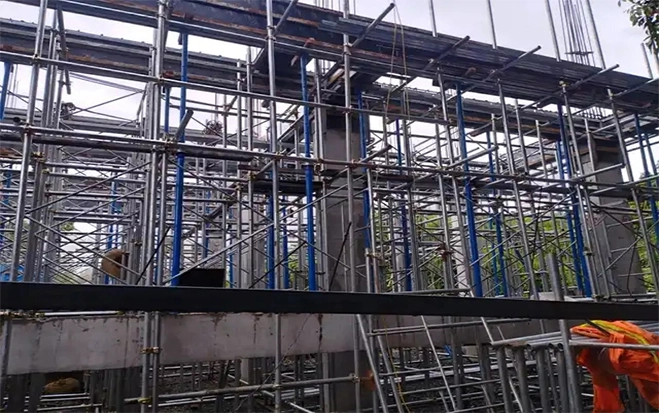
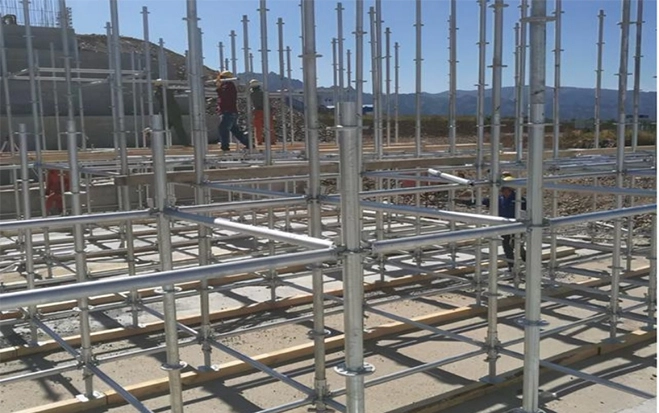
In tube and coupler scaffolding systems, couplers are the critical connection components that determine the stability, flexibility, and safety of the entire structure. Different construction environments require different connection methods, which is why selecting the correct scaffolding coupler types is essential for achieving reliable performance.
A residential building project, a bridge construction project, and an industrial maintenance platform may all use scaffolding systems, but their structural requirements are not the same. Factors such as load capacity, connection angle, working height, and installation conditions directly influence whether a right angle coupler, swivel coupler, putlog coupler, or girder coupler is the most suitable choice.
For contractors, distributors, and construction equipment buyers, understanding the application differences between various coupler types helps reduce installation risks and improves project efficiency.
Understanding the Main Types of Couplers Used in Scaffolding Systems
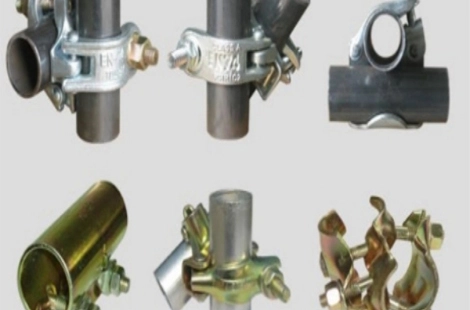
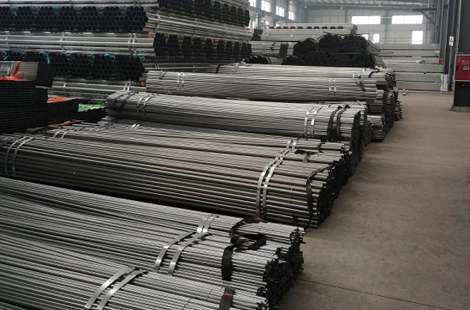
A complete tube and coupler scaffolding system usually consists of steel tubes connected by different types of couplers. Each coupler has a specific function based on the required connection method.
Right Angle Coupler for Standard 90-Degree Tube Connections
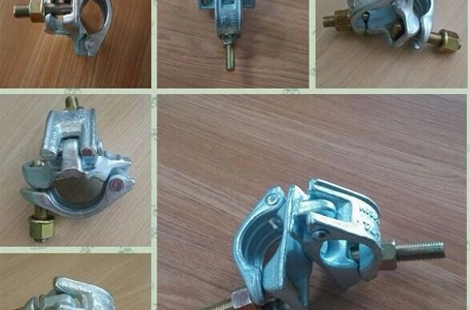
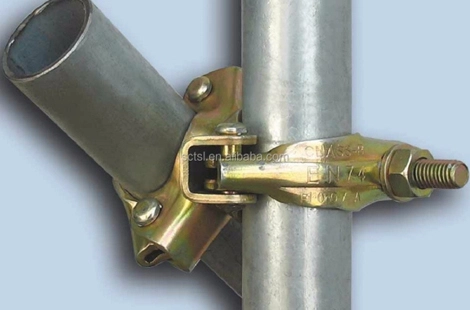
A scaffold right angle coupler is one of the most commonly used components in traditional scaffolding systems. It connects two scaffold tubes at a fixed 90-degree angle and provides a rigid connection between standards and ledgers.
Right angle couplers are widely used for:
Building façade scaffolding
Commercial construction projects
General access platforms
Industrial maintenance structures
Because they provide strong and stable connections, right angle coupler scaffolding systems are often selected when structural rigidity and load-bearing performance are priorities.
When purchasing right angle couplers, buyers should consider factors such as steel quality, manufacturing precision, clamping strength, and compatibility with standard scaffold tubes.
Swivel Coupler for Adjustable-Angle Connections
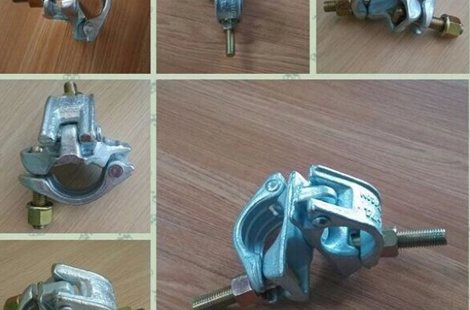
Unlike fixed-angle couplers, swivel couplers allow two tubes to connect at different angles. This flexibility makes them suitable for applications where scaffolding geometry is more complex.
Common applications include:
Irregular building structures
Sloped surfaces
Temporary support structures
Industrial facilities with complicated layouts
A swivel coupler is especially useful when contractors need to create non-standard scaffold configurations while maintaining secure tube connections.
Putlog Coupler for Supporting Scaffold Boards
A putlog coupler is designed specifically for connecting putlogs or transoms to scaffold tubes. It provides support for scaffold boards and working platforms while maintaining a stable connection.
The main applications of a scaffolding putlog coupler include:
Compared with standard connection couplers, putlog couplers are designed around platform support requirements, making them an important component for construction teams working on building exteriors.
Girder Coupler for Structural Steel Connections
A girder coupler is commonly used when scaffolding needs to connect with structural steel beams or temporary support points.
Typical applications include:
For projects requiring additional support around steel structures, choosing a reliable girder coupler scaffolding solution can improve stability and installation efficiency.

How Construction Applications Determine the Right Coupler Selection
The best scaffolding coupler is not determined only by product specifications. The correct choice depends on the construction environment and the purpose of the scaffolding system.
Building Construction and Exterior Access
For standard building projects, contractors usually require strong and simple tube connections. Right angle couplers are commonly selected because they provide fixed and stable connections between vertical and horizontal tubes.
For projects involving different building shapes or limited installation space, swivel couplers may provide additional flexibility.
Bridge and Infrastructure Projects
Bridge construction requires scaffolding systems capable of handling complex structures and higher loads. In these applications, girder couplers and heavy-duty connection components are often preferred because they can support temporary structures around beams and steel frameworks.
The selection process should consider:
Structural load requirements
Long-term outdoor exposure
Connection stability
Project-specific engineering requirements
Industrial Maintenance and Plant Construction
Industrial environments often involve complicated layouts, pipes, equipment, and uneven working areas. Flexible scaffolding solutions using different coupler combinations allow workers to create safe access platforms around existing structures.
In these cases, a combination of right angle couplers, swivel couplers, and girder couplers may be required.

Key Factors to Evaluate Before Buying Scaffolding Couplers
Choosing the correct types of coupler in scaffolding is only one part of procurement. Construction companies and distributors should also evaluate product quality and manufacturing capability.
Material Strength and Manufacturing Quality
High-quality scaffolding couplers should be manufactured from durable steel materials with consistent mechanical performance. Poor-quality couplers may affect connection reliability and reduce the overall safety of scaffolding structures.
Important quality considerations include:
Compatibility with Scaffold Tubes
A professional scaffolding coupler should match commonly used scaffold tube dimensions. Proper compatibility ensures secure clamping force and prevents movement during operation.
Before purchasing, buyers should confirm:
Load Capacity and Project Conditions
Different construction projects require different load levels. Heavy-duty applications may require stronger couplers designed for higher structural demands, while smaller access platforms may require standard connection solutions.
A reliable supplier should provide technical information to help customers select suitable products based on actual project conditions.

Why Working with a Reliable Scaffolding Coupler Manufacturer Matters
For international construction companies and distributors, choosing the right supplier is as important as selecting the right product type.
A professional scaffolding coupler manufacturer should provide consistent product quality, production capability, and technical support for different market requirements.
Reliable suppliers can help customers with:
Customized product specifications
Bulk production capability
Quality inspection procedures
Export documentation support
Application recommendations
TSL Scaffolding provides a range of scaffolding connection components, including right angle couplers, putlog couplers, girder couplers, and other scaffolding coupler solutions for construction and industrial applications.
FAQs About Scaffolding Coupler Types
1. What are the main types of couplers used in scaffolding?
The most common scaffolding coupler types include right angle couplers, swivel couplers, putlog couplers, and girder couplers. Each type is designed for different connection requirements and construction applications.
2. What is the difference between a right angle coupler and a swivel coupler?
A right angle coupler creates a fixed 90-degree connection between scaffold tubes, while a swivel coupler allows tubes to connect at different angles. Right angle couplers are commonly used for standard scaffolding structures, while swivel couplers are suitable for more complex configurations.
3. When should I use a putlog coupler?
A putlog coupler is typically used when supporting scaffold boards or creating working platforms for masonry and building construction projects.
4. Are all scaffolding couplers compatible with standard scaffold tubes?
Not all couplers are universally compatible. Buyers should confirm tube dimensions, connection requirements, and applicable standards before purchasing.
5. How do I choose a reliable scaffolding coupler manufacturer?
A reliable manufacturer should have strong production capabilities, quality control systems, technical experience, and the ability to provide consistent products for international construction projects.
Conclusion
Selecting the correct scaffolding coupler types requires more than choosing a standard connection component. Different construction applications require different solutions, from right angle couplers for rigid tube connections to putlog couplers for platform support and girder couplers for structural applications.
By evaluating project requirements, load conditions, tube compatibility, and supplier capabilities, contractors and distributors can build safer and more efficient scaffolding systems.
For companies sourcing scaffolding components globally, working with an experienced scaffolding coupler manufacturer ensures reliable product quality and long-term project performance.
 English
 Español
 português
 العربية